The AI Plagiarism Dilemma
Generative AI models like ChatGPT have been accused of plagiarism due to their training on copyrighted material. A recent report found that 60% of ChatGPT’s output contained some form of plagiarism. This has led to ongoing litigation against companies like Microsoft and OpenAI.
Key Developments
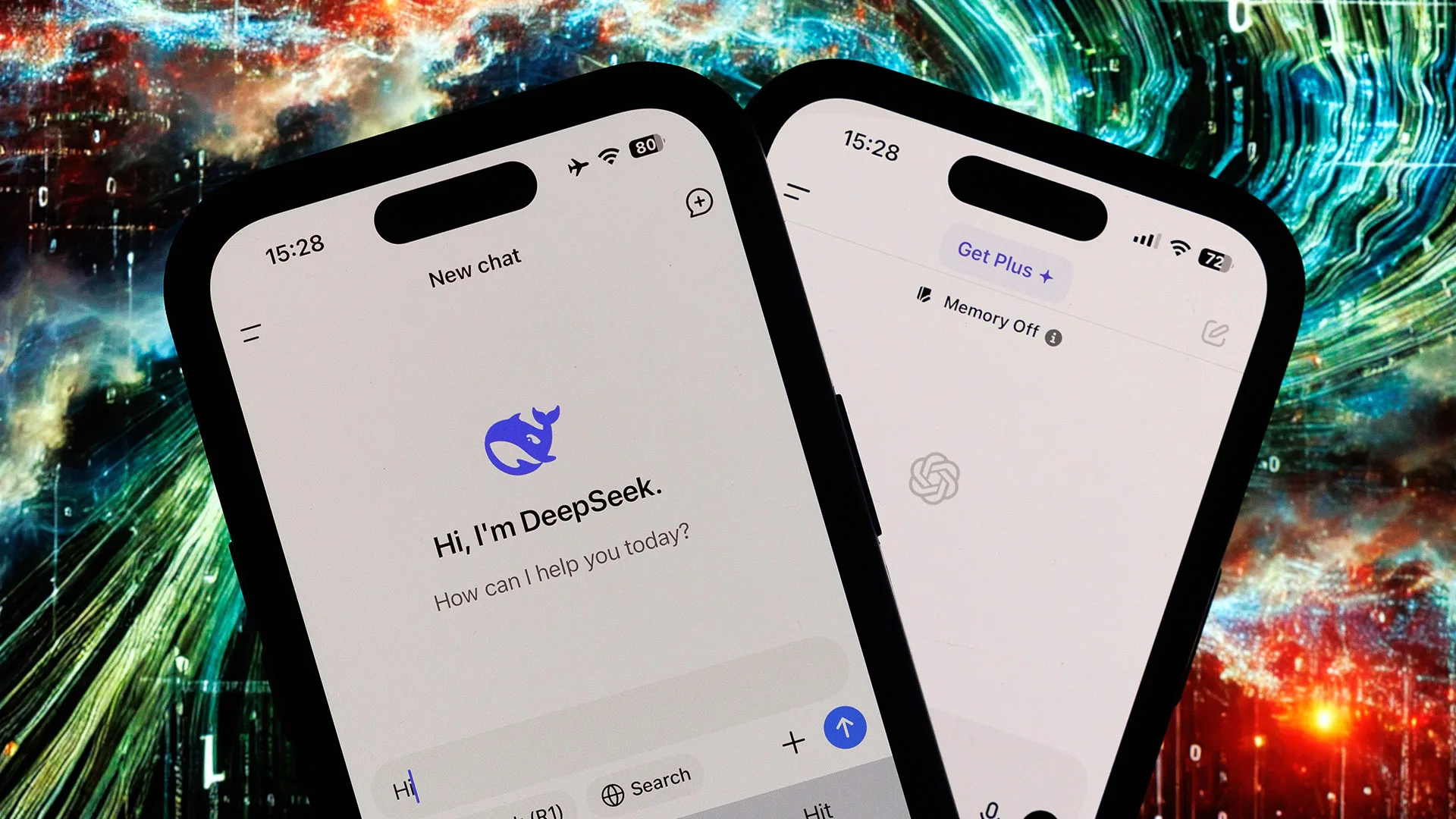
- DeepSeek, a Chinese AI company, may have used OpenAI’s data to create its own models
- OpenAI is unhappy about this potential “knowledge distillation” from its models
- David Sacks, the White House’s AI czar, suggests DeepSeek may have committed intellectual property theft
- OpenAI’s terms of service prohibit users from copying its services or using its models to build rival ones
Implications for the AI Industry
This situation shows the complex issues surrounding AI development and intellectual property. OpenAI, which has faced criticism for its own training practices, now finds itself on the other side of the debate. The incident raises questions about fair use, copyright, and competition in the AI field. It also shows the challenges of protecting proprietary AI technology in a rapidly evolving industry. The outcome of this dispute could have significant impacts on how AI companies develop and protect their models in the future. Additionally, it may influence international regulations and cooperation in AI development, especially between countries like the US and China. As AI technology continues to advance, finding a balance between innovation, fair competition, and intellectual property protection will be crucial for the industry’s growth and ethical development.
Sources: businessinsider.com, businessinsider.com, fastcompany.com
Image Source: businessinsider.com