Understanding Fairness in Automation
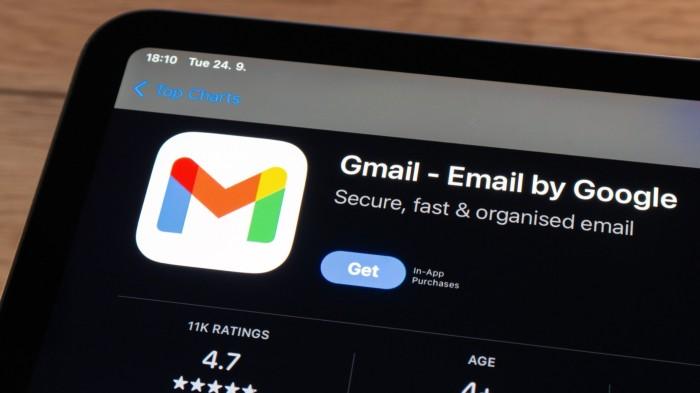
The concept of fairness in machine decision-making is complex and often misunderstood. The focus has primarily been on bias and discrimination in automated systems, especially as people expect machines to be less biased than humans. However, fairness encompasses more than just being unbiased. A personal experience with a restricted Gmail account illustrates the challenges of feeling justly treated in an automated world. When access was denied due to an alleged spam violation, the automated response left little room for understanding or recourse.
Key Insights
- Automated decisions can lead to feelings of frustration and helplessness, as seen in the Gmail account situation.
- Appeals to automated decisions often lead to repetitive cycles without resolution, highlighting a lack of transparency.
- Human oversight in automated systems may not always provide a solution due to biases and time constraints.
- Procedural justice, where individuals feel the process is fair, often conflicts with the efficiency and security goals of automated systems.
The Bigger Picture
The struggle for fairness in automated decision-making matters because it affects how individuals interact with technology. As machines increasingly take part in decision-making processes, the need for transparency and justice becomes crucial. Balancing efficiency with fairness is a challenge that requires ongoing dialogue and thoughtful solutions. The experience of one person can reflect broader systemic issues that many face in an automated society.