Understanding the Wildfire Crisis
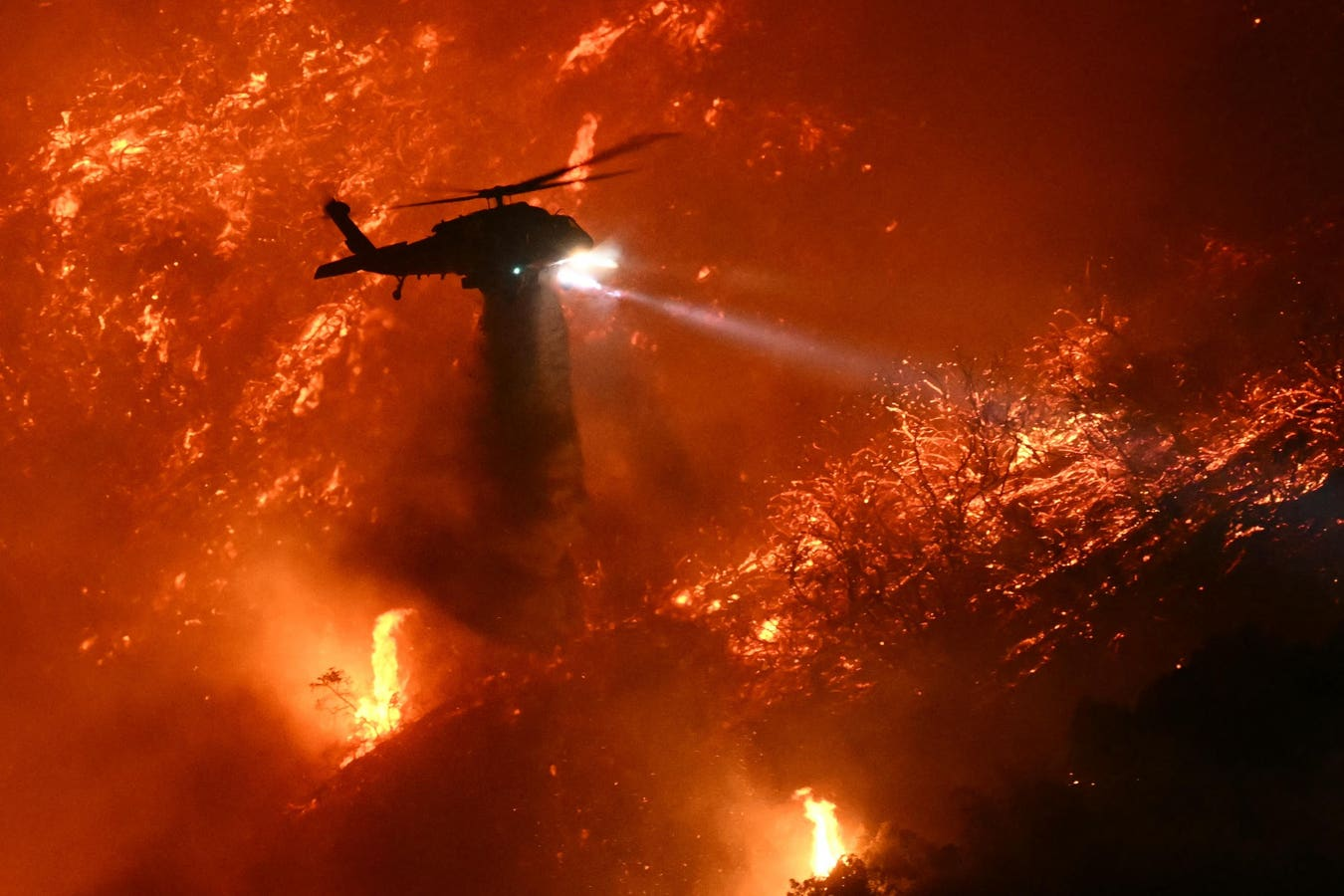
Wildfires in Los Angeles County are becoming a severe crisis, with damages projected to reach between $135 billion and $150 billion. The situation has worsened in recent years, leading to mass evacuations and significant loss of life. The frequency and intensity of wildfires are increasing, with global burned areas rising by 17% in the last two decades. Wildfires contribute nearly 20% of global greenhouse gas emissions, severely impacting the environment and public health. The smoke from these fires leads to serious respiratory issues and increased hospitalizations, particularly affecting vulnerable populations such as children and the elderly.
Key Insights
- Advanced technology, like AI and machine learning, is transforming wildfire detection and response, making it quicker and more efficient.
- New tools like AI-powered satellites and water-glider drones are being developed to predict and combat wildfires effectively.
- Experts emphasize the need for resilient rebuilding practices and better land management to prevent future disasters.
- Innovative approaches, including creating a digital wildfire twin of Earth, aim to simulate fire behavior for better preparedness.
The Bigger Picture
The growing wildfire crisis is not just a natural disaster but a pressing humanitarian issue that requires immediate action. Governments must prioritize funding for disaster research and innovative technologies to address this escalating problem. The urgency seen in responses to other crises, such as the COVID-19 pandemic, must now be applied to wildfires. By investing in transformative solutions today, societies can better prepare for the climate-related challenges of tomorrow and protect both people and the planet.