
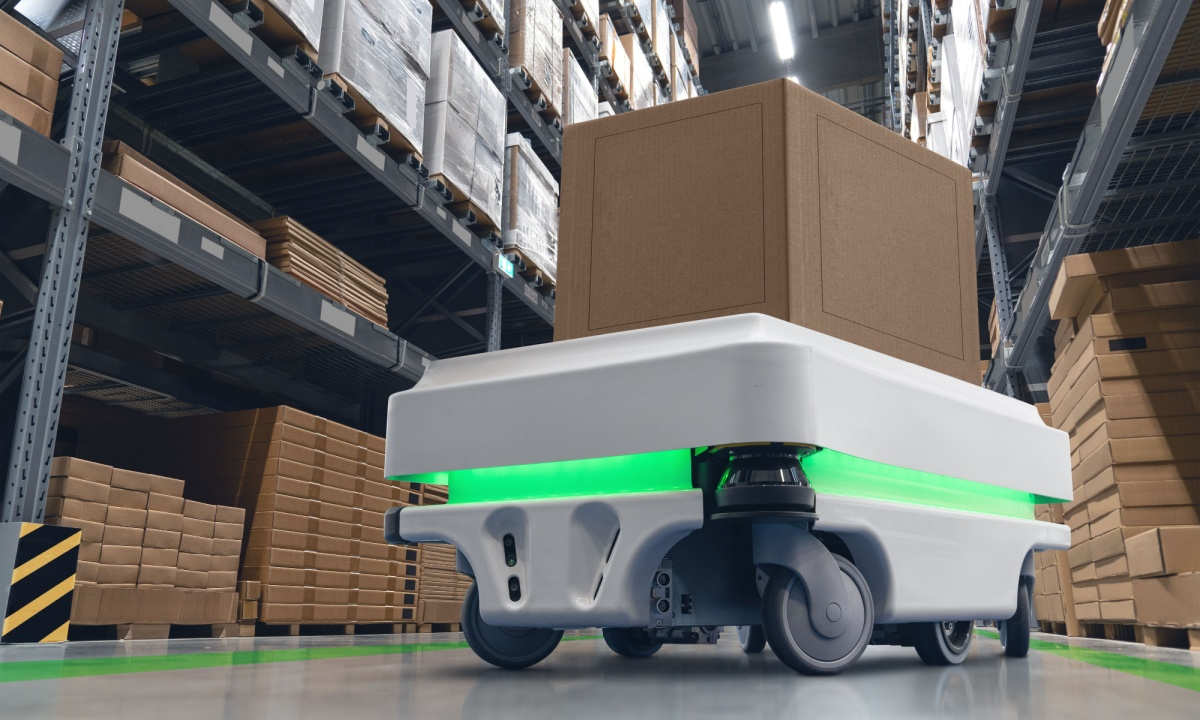
Understanding the Discovery
Recent research from MIT, Harvard, and Yale reveals a surprising paradox in AI training. The study shows that AI systems trained in calm, controlled environments can outperform those trained in noisy, unpredictable settings when deployed in real-world scenarios. This phenomenon, termed the “Indoor-Training Effect,” suggests that mastering basic skills in a quiet space allows AI to adapt better to chaotic conditions later on. This finding challenges the traditional belief that training in similar environments to real-world conditions yields better results.
Key Findings
- AI trained in quiet settings can adapt more effectively in noisy environments.
- The research involved reinforcement learning agents tested on classic Atari games, revealing that those trained in serene conditions performed better under noise.
- The study indicates potential for simplifying robot training, allowing them to learn essential skills without the distractions of a busy environment.
- The implications of this research could lead to more adaptable and robust robots capable of handling diverse and unpredictable tasks.
Significance of the Research
This breakthrough is crucial for the future of robotics and AI. It suggests a shift in training methodologies, enabling robots to learn skills in controlled environments before facing real-world challenges. This could greatly enhance the efficiency and effectiveness of robots in various industries, from warehouses to healthcare, where adaptability is essential. By rethinking training approaches, we may see a new generation of robots that can navigate complex environments with ease, ultimately improving safety and productivity.





