
Understanding Decentralized AI
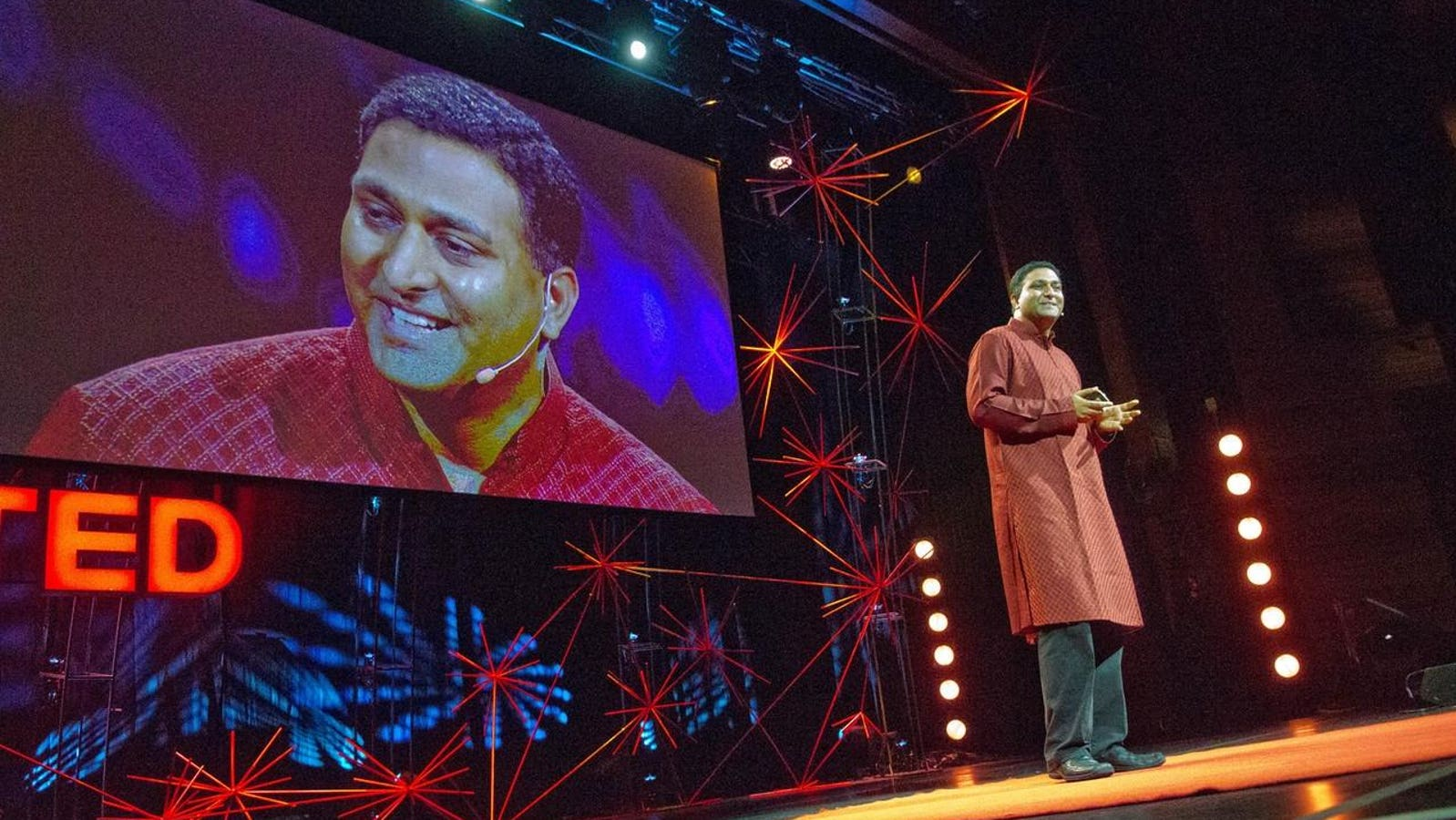
Decentralized AI is an emerging concept that aims to shift the control of data and computational resources away from a few dominant companies. This shift is gaining traction, especially among researchers at the MIT Media Lab, as they celebrate its 40th anniversary. The idea revolves around creating a more collaborative and trustworthy environment for AI systems, where various parties can work together without central authority. Advocates, including Ramesh Raskar, argue that current centralized models lead to distrust and inefficiency. They propose a new structure where AI functions more like a network of interconnected systems, similar to the human brain.
Key Features of Decentralized AI
- Privacy: Ensuring individual data remains secure and confidential.
- Incentives: Establishing motivations for collaboration among different stakeholders.
- Verification: Creating methods to confirm the reliability of participants.
- Dashboard: Developing a user-friendly interface for interaction and cooperation.
This framework is likened to the evolution of the Internet, progressing from Web 1.0 to Web 3.0, which emphasizes decentralization through blockchain technology.
The Importance of Trust and Collaboration
Trust is fundamental for decentralized AI to thrive. As AI agents operate independently, they must establish reliable connections with one another to collaborate effectively. This concept can revolutionize various sectors, from smart city planning to autonomous vehicles. The call to action is clear: initiate decentralized AI systems in low-risk settings, refine them, and gradually integrate them into critical applications. This careful approach will ensure that AI technologies are not only innovative but also trustworthy and beneficial for society.





