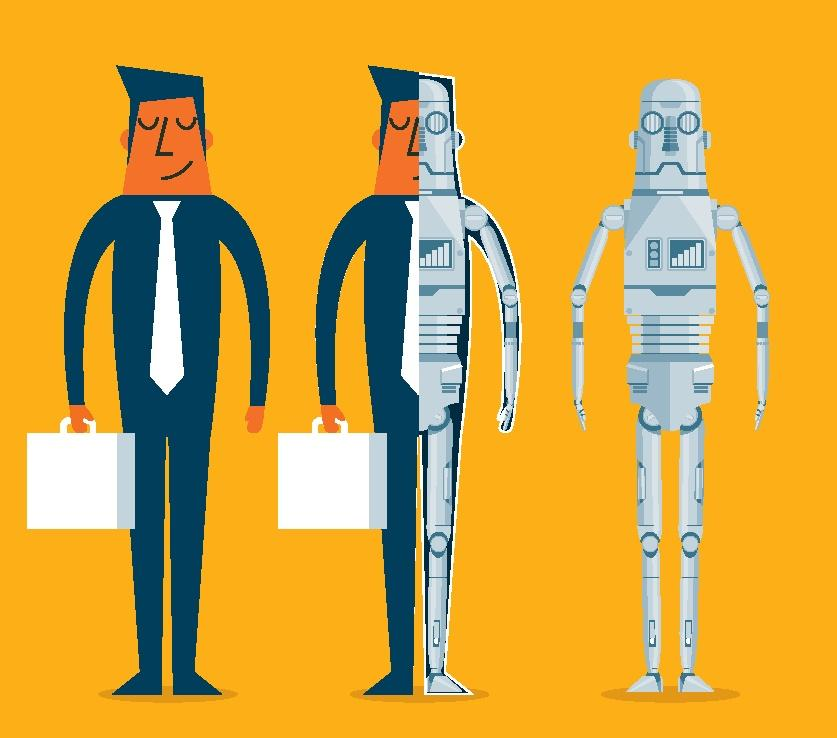
Understanding AI’s Role in Business
The integration of AI into business strategies is evolving. Companies are projected to save over $6.6 trillion globally by 2030, with labor costs being a significant area for these savings. However, the rush to replace human workers with AI could backfire. Experts suggest that businesses should not view AI merely as a cost-cutting tool. Instead, a more strategic approach is necessary to leverage AI effectively while maintaining human talent.
Key Insights
- Zac Engler, an AI expert, emphasizes the importance of a balanced approach to AI integration.
- He introduces the “AI Work Trifurcation” model, dividing tasks into AI-only, hybrid, and human-only categories.
- Engler warns against the “efficiency trap,” where companies focus solely on productivity gains at the expense of human resources.
- A multimodal AI model can enhance strategic work, allowing businesses to maximize value rather than just cutting costs.
The Bigger Picture
Understanding how to effectively integrate AI can be a game changer for companies. Those who adapt their workforce strategies to include AI in a thoughtful manner are more likely to excel in their industries. By focusing on the right division of labor and leveraging AI’s capabilities, businesses can create a competitive advantage that goes beyond temporary financial gains. This strategic mindset will be crucial as the landscape of work continues to evolve.