Understanding the Experiment with AI
Whitman College’s Penrose Library recently tested a generative AI tool called WOS (Web of Science) to enhance research. This tool allows users to conduct literature searches using natural language instead of complex Boolean queries. While the library aimed to embrace the AI revolution, feedback from the community led to a decision against subscribing to the service. Concerns included the tool’s search transparency and bias in prioritizing established research over new studies.
Key Insights from the Trial
- The WOS Research Assistant simplifies searches but lacks the precision of traditional methods.
- Users reported mixed experiences, with some appreciating insights and others disliking the tool’s opaque search execution.
- The library currently uses a different AI tool, the Primo Research Assistant, indicating a cautious approach to AI integration.
- Faculty members emphasize the importance of understanding AI’s role in education, encouraging its use for learning but warning against over-reliance.
The Bigger Picture of AI in Education
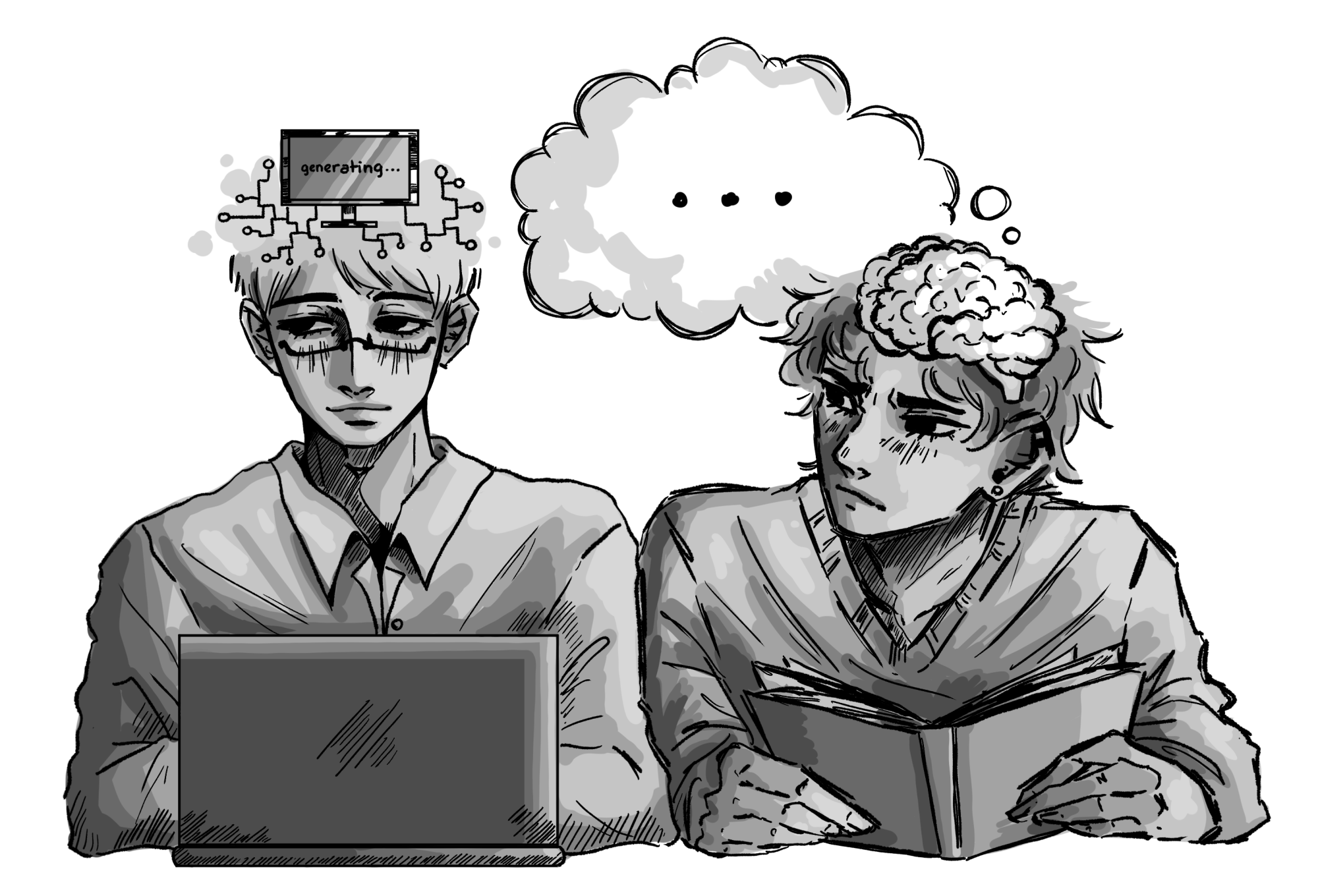
The exploration of AI tools at Whitman College highlights a broader conversation about technology’s impact on learning. While AI can assist in research, it cannot replace the essential human elements of education. Faculty stress the need for critical thinking and information literacy, especially as misinformation becomes more prevalent. As AI continues to evolve, ongoing discussions about its appropriate use in academia are crucial for both students and educators alike.