
Overview of the Situation
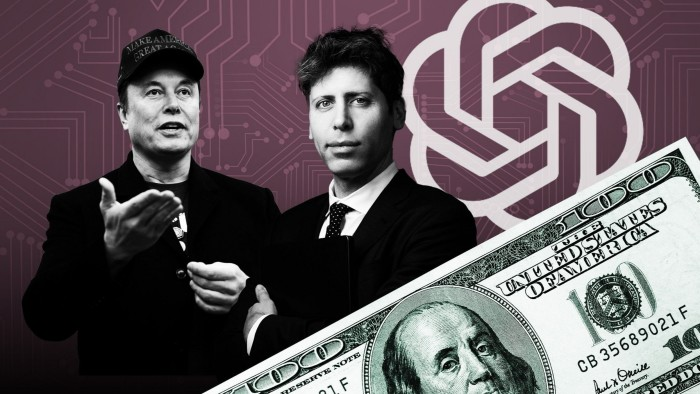
OpenAI is exploring the possibility of granting special voting rights to its non-profit board. This move aims to safeguard the board’s authority as the company transitions from a non-profit to a public benefit corporation (PBC). The decision comes in light of a substantial $97.4 billion takeover bid from Elon Musk, which has raised concerns about the future direction of OpenAI and its commitment to its original mission.
Key Details
- The board is considering governance changes to maintain control over the restructured company.
- Special voting rights would allow the non-profit board to overrule investors like Microsoft and SoftBank.
- Musk’s unsolicited bid has sparked debates about the valuation of OpenAI’s assets and the role of its charitable arm.
- OpenAI aims to raise $40 billion from investors, highlighting the financial pressures driving its transition to a PBC.
Significance of the Developments
These discussions are crucial for OpenAI’s future, especially as it competes with major players like Google. The proposed changes could ensure that the non-profit’s mission remains intact and that it can fend off unwanted takeover attempts. This situation reflects broader trends in the tech industry, where founders often seek to retain control through special voting structures. Ultimately, how OpenAI navigates this complex landscape will have significant implications for its governance and its ability to fulfill its commitment to developing AI for the benefit of humanity.





