Understanding the Threat
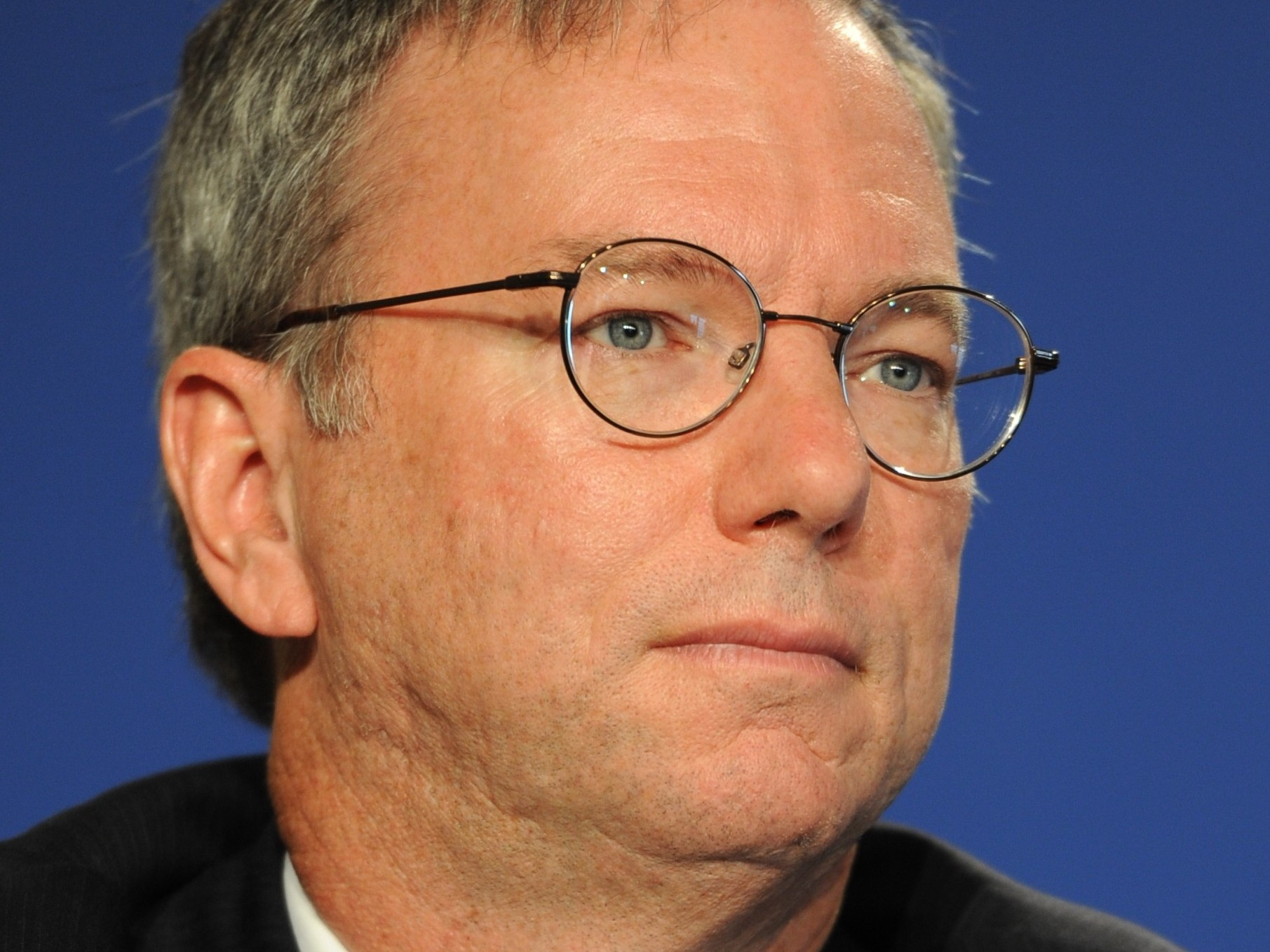
Eric Schmidt, former CEO of Google, has raised alarms about the potential dangers of artificial intelligence (AI). He warns that extremists and rogue states could weaponize AI, leading to catastrophic outcomes. Schmidt emphasizes that the rapid pace of AI development could allow for its use in harmful ways, such as biological attacks. He draws a disturbing parallel to the threat posed by figures like Osama bin Laden, suggesting that malicious actors could exploit AI to inflict harm on innocent people.
Key Points to Consider
- Schmidt calls for increased government oversight of tech companies involved in AI research to prevent misuse.
- He supports export controls on advanced microchips to slow down adversaries in AI development.
- The AI Action Summit saw participation from 57 countries, but the US and UK did not sign a significant agreement on AI governance.
- Schmidt warns against excessive regulation, arguing it could stifle innovation and hinder the progress of the AI industry.
The Bigger Picture
Schmidt’s insights highlight the urgent need for a balanced approach to AI governance. While innovation is crucial, the risks associated with AI misuse cannot be ignored. Without proper safeguards, AI’s growth could lead to unintended and severe consequences. As nations navigate their strategies for AI development, the challenge lies in fostering innovation while ensuring safety for all. The future of AI holds immense promise, but it also requires careful consideration to avoid potential disasters.