Overview of the Findings
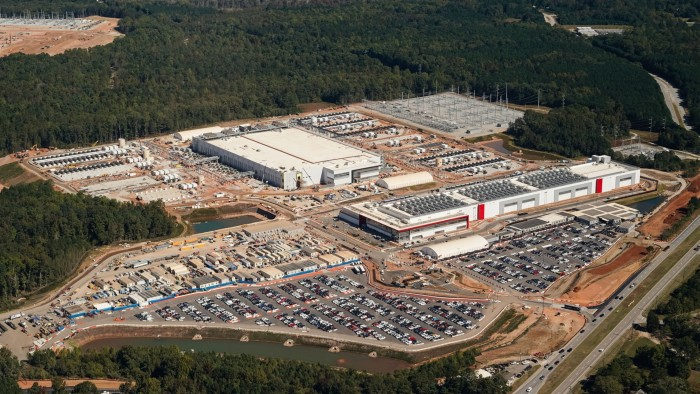
Recent research reveals that the expansion of data centres by major tech companies has led to significant public health costs, totaling over $5.4 billion in the last five years. This figure reflects the adverse health effects linked to air pollution generated by the energy-intensive operations of these data centres. The study, conducted by UC Riverside and Caltech, highlights the connection between air quality and health issues such as asthma and cancer. As the demand for artificial intelligence grows, the energy consumption by data centres is expected to increase, further impacting public health.
Key Insights
- In 2023 alone, treatment costs related to pollution from data centres reached $1.5 billion, marking a 20% increase from the previous year.
- Google was identified as the largest contributor to health costs, amounting to $2.6 billion from 2019 to 2023, followed by Microsoft at $1.6 billion and Meta at $1.2 billion.
- The research utilized an EPA model to translate air quality impacts into monetary values, focusing on pollution generated in specific areas rather than offsetting via renewable energy purchases.
- The findings indicate that lower-income households are disproportionately affected by the health impacts of data centres, particularly in regions like West Virginia and Ohio.
Implications for the Future
The growing reliance on data centres for AI development raises urgent concerns about public health and environmental sustainability. As energy needs soar, tech companies face pressure to mitigate their pollution impact. There is a clear opportunity for these firms to strategically locate data centres in less populated areas to lessen health risks. The findings urge tech giants to reevaluate their operational strategies, not only to improve air quality but also to enhance community well-being. Addressing these issues is crucial as data centre energy use is projected to rise significantly, potentially reaching 12% of total US electricity consumption by 2028.