
Understanding the Vision
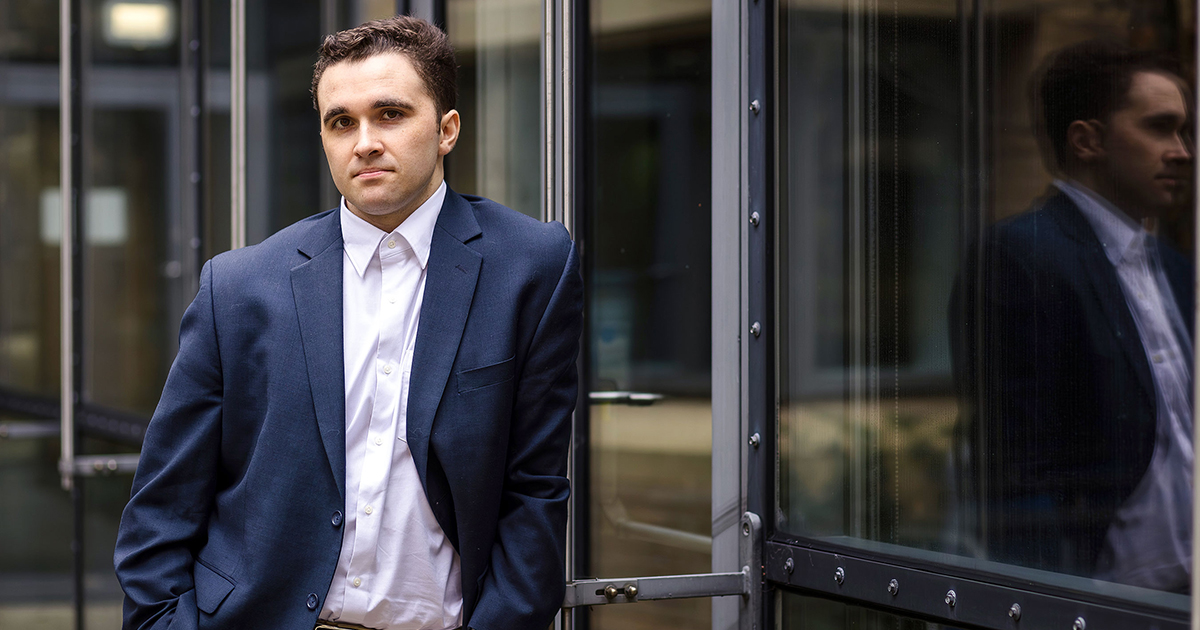
Miles Cranmer’s journey in physics began early, inspired by his grandfather and the Perimeter Institute. His passion deepened during an internship at the University of Waterloo, where he realized the potential of AI in scientific advancement. After reading a thought-provoking interview, he dedicated himself to merging machine learning with astrophysics, aiming to expedite scientific progress. Now at the University of Cambridge, he sees AI’s transformative power but believes it has not reached its full potential.
Key Insights
- Cranmer emphasizes the need for “foundation models” that can support various scientific domains, unlike current single-purpose AI systems like AlphaFold.
- The Polymathic AI initiative, launched in 2023, aims to create these versatile models for scientific discovery.
- Current AI struggles with general numerical processing, which is crucial for complex scientific simulations.
- Training AI on scientific data remains a challenge, as it is less abundant than text and video used for other generative models.
The Bigger Picture
Cranmer’s work highlights a pivotal moment in science. The integration of AI could revolutionize how research is conducted, leading to faster discoveries and deeper understanding. By developing models that can adapt to various scientific challenges, researchers can unlock new potentials in physics and beyond. This shift not only enhances scientific inquiry but also paves the way for breakthroughs that could change our understanding of the universe.





