Understanding Smart Hospitals
Smart hospitals leverage advanced technologies like AI, IoT, and robotics to enhance patient care and operational efficiency. As healthcare faces challenges from aging populations and tight budgets, these facilities aim to modernize and improve experiences for patients and staff. The smart hospital market is projected to reach $148 billion by 2029, reflecting a significant shift in how healthcare is delivered.
Key Developments in Smart Hospitals
- Hospitals are implementing voice-controlled technologies for patient comfort, allowing them to manage room settings through smartphones or bedside terminals.
- Electronic health records and RFID technology are streamlining operations by tracking patient flow and medical equipment, saving time and reducing waste.
- AI algorithms are being used to predict patient risks, notably for conditions like sepsis, leading to quicker responses and improved outcomes.
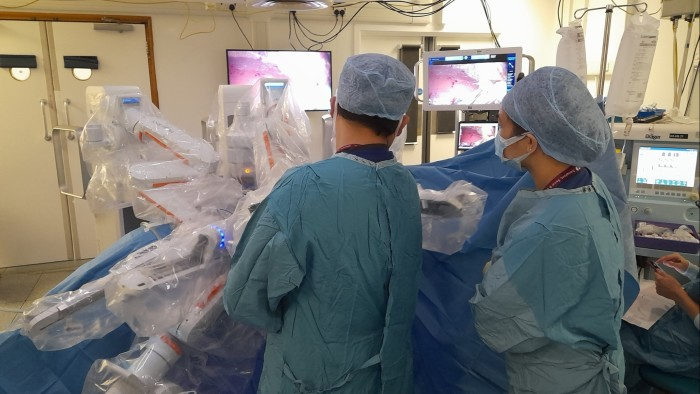
- Robotic surgeries are becoming more common, providing less invasive options that promote faster recovery times.
The Bigger Picture
The transition to smart hospitals is crucial for improving healthcare delivery in a rapidly changing environment. While the initial investment in technology can be daunting, the long-term benefits include enhanced patient safety, reduced hospital stays, and better resource management. As more facilities adopt smart technologies, the healthcare landscape is expected to evolve, offering more efficient and effective care to patients. This progress will ultimately lead to a more responsive and resilient healthcare system.