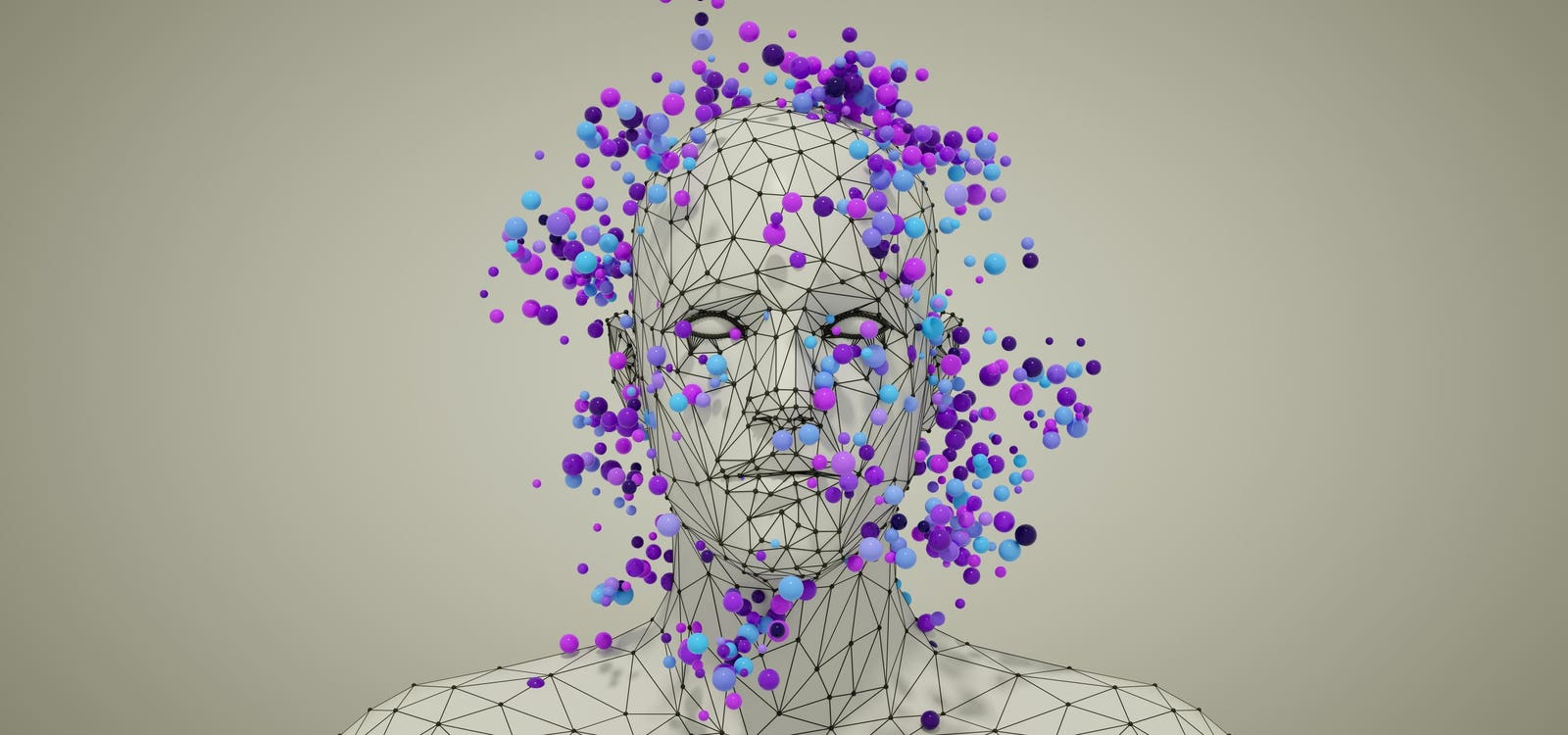
Exploring New Frontiers in AI Research
Artificial intelligence is making significant strides in the realm of scientific research. A recent breakthrough from Japan’s Sakana AI has showcased an AI system capable of generating hypotheses, designing experiments, and writing a peer-reviewed scientific paper—all without human input. This development raises questions about the role of AI in science and its potential to contribute original ideas.
Key Highlights:
- The AI system, named AI Scientist-v2, produced a paper accepted at a prestigious machine learning conference, demonstrating its ability to conduct independent research.
- Despite its success, experts debate whether AI can truly understand its work or if it merely mimics patterns from existing data.
- Sakana AI withdrew the paper, recognizing the ethical implications of AI-authored research and treating it as an experiment rather than a definitive achievement.
- The conversation around AI’s role in science is evolving, with some experts predicting a future where AI acts as a powerful tool, while others caution against attributing genuine intelligence to current models.
The Bigger Picture: A New Era of Collaboration
The rise of AI in scientific research does not signal the end of human involvement but rather suggests a collaborative future. AI may enhance the research process by automating tasks and generating new ideas, yet human insight and ethical considerations remain crucial. As AI continues to evolve, it will likely reshape how scientific discovery is approached, leading to a hybrid intelligence model where both AI and humans contribute to advancing knowledge.