Overview of the Situation
Samsung is facing challenges in its semiconductor division, particularly in securing major US clients. In response, the South Korean giant is increasingly relying on Chinese technology firms. Recent reports indicate a significant rise in Samsung’s exports to China, with a 54% increase from 2023 to 2024. This surge is primarily driven by Chinese companies seeking advanced AI chips amidst tightening US export controls.
Key Highlights
- Samsung sold over three years’ worth of logic dies to Baidu’s Kunlun, a vital component for AI chip production.
- Despite a $40 billion investment in Texas for chip manufacturing, Samsung struggles to compete with Taiwan Semiconductor Manufacturing Co. (TSMC), which is investing heavily in US facilities.
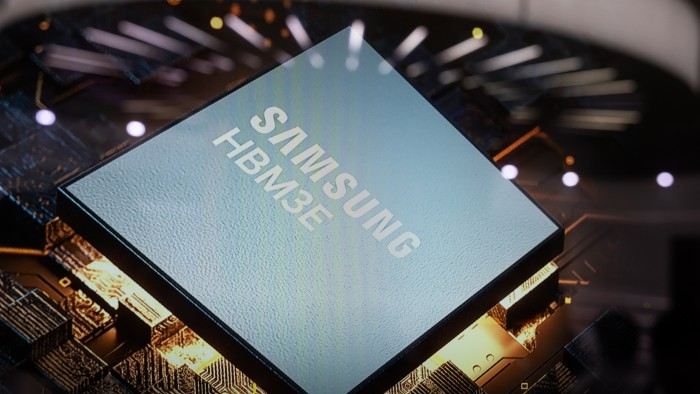
- Samsung’s position in the high-bandwidth memory (HBM) market is weakening, with local rival SK Hynix outperforming it.
- New US restrictions on AI chip performance for Chinese customers have complicated Samsung’s business relationships, particularly with Baidu and Kunlun.
Significance of the Developments
This shift towards China highlights the complexities of global trade and technology. As US-China tensions grow, Samsung’s reliance on Chinese clients raises questions about future collaborations. The semiconductor landscape is rapidly changing, and Samsung’s ability to adapt will be critical for its success. Maintaining compliance with US regulations while meeting Chinese demand is a delicate balance that could shape the future of the industry.