
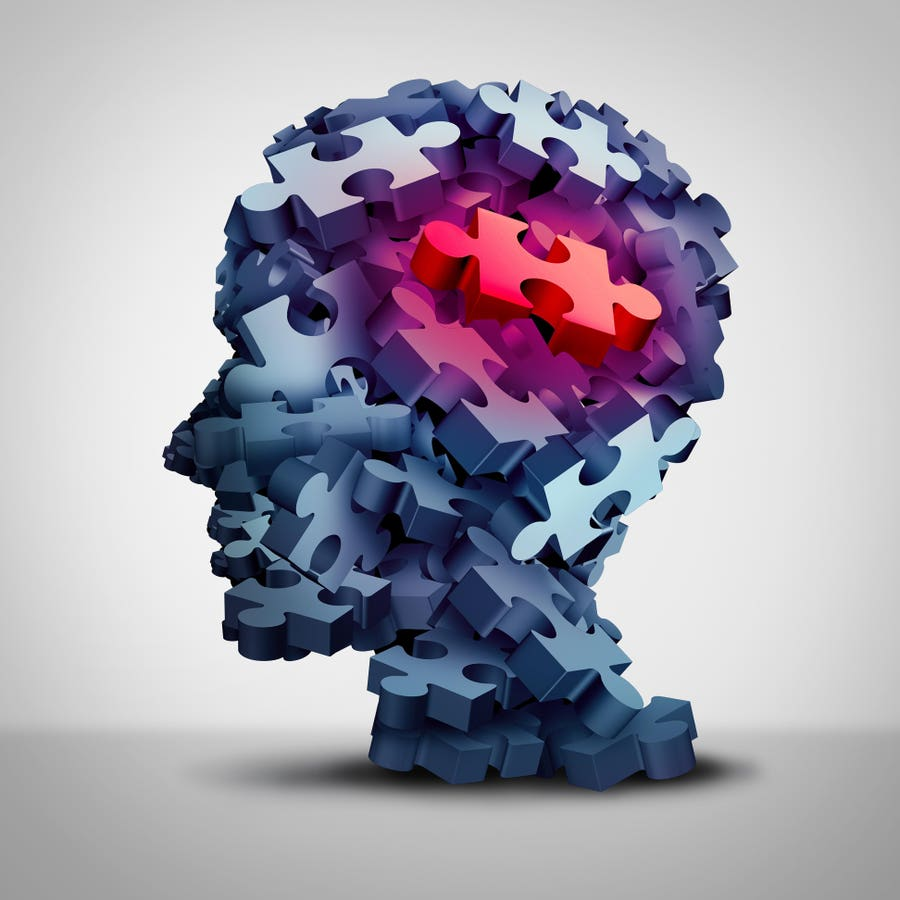
Understanding the Intersection of AI and Mental Health
Generative AI is making strides in the mental health field, particularly in diagnosing and predicting outcomes for schizophrenia. This technology can analyze symptoms and provide insights that may aid in understanding a patient’s condition. A recent study compared the prognostic abilities of generative AI, mental health professionals, and laypersons regarding schizophrenia recovery. The findings reveal that generative AI holds promise in augmenting mental health assessments, but it also raises questions about its reliability and ethical implications.
Key Findings from the Research
- Generative AI was found to align closely with mental health professionals in predicting outcomes for schizophrenia with treatment.
- AI predictions for untreated schizophrenia were generally pessimistic, indicating a risk of worsening symptoms.
- Different AI models yielded varying assessments, highlighting the importance of using multiple AI systems for more robust results.
- The study emphasizes the need for rigorous validation of AI applications in mental health to ensure quality and accuracy.
The Bigger Picture: AI’s Impact on Mental Health Care
As generative AI becomes more prevalent in mental health assessments, it presents both opportunities and challenges. While it can provide valuable insights and support, there is a risk of over-reliance on AI without adequate human oversight. Understanding the limitations of AI in diagnosing mental health conditions is crucial. The duality of AI’s potential benefits and risks necessitates careful consideration of how it is integrated into mental health care, ensuring that it complements rather than replaces human expertise.





