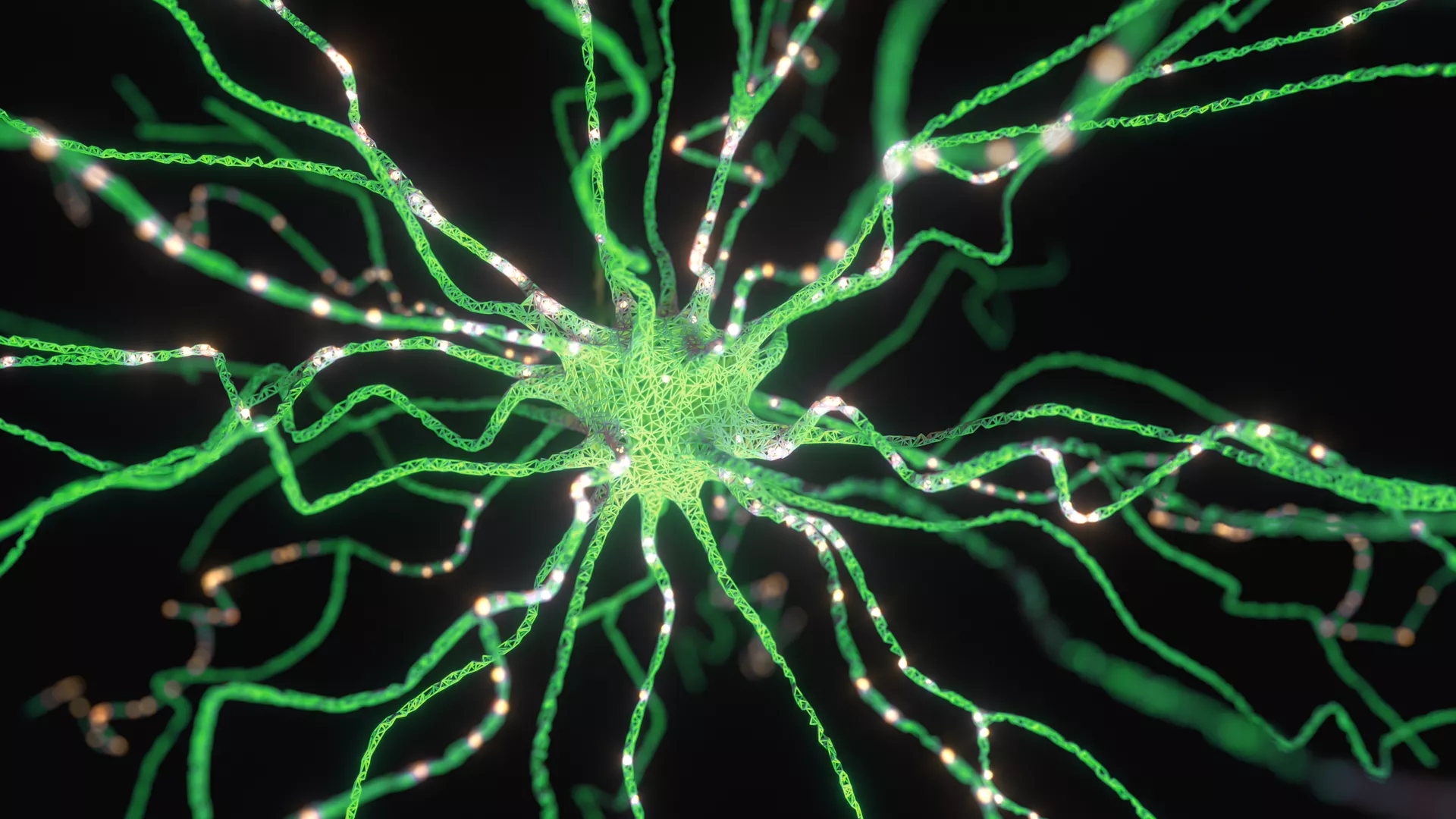
Exploring the Intersection of AI and Robotics
This special issue delves into the integration of Artificial Intelligence (AI) in robotic systems, showcasing how AI enhances their autonomy and adaptability. Traditional control methods, like PID controllers, are foundational, but AI techniques are proving essential for managing complex environments. The issue presents a collection of research that highlights advancements in AI-driven control strategies for various robotic applications.
Key Contributions Include:
- Intelligent Control Techniques: Articles discuss AI-driven controllers, such as neural networks and fuzzy logic, which improve decision-making and adaptability in dynamic settings.
- State Estimation and Sensor Fusion: Techniques like Kalman and particle filters are used for better localization and trajectory tracking, ensuring accurate motion planning.
- Hybrid Control Strategies: The combination of classical and AI methods shows how hybrid controllers can perform robustly in uncertain environments.
- Obstacle Avoidance and Path Optimization: AI-enhanced navigation algorithms allow robots to autonomously detect obstacles and find optimal paths in real time.
Significance of the Research
The convergence of AI and robotics opens new avenues for research and application. Future developments may include reinforcement learning for real-time adaptability and neuromorphic computing for efficient robotic control. This issue underscores the critical role AI plays in advancing robotic capabilities, providing insights into methodologies that enhance autonomous systems. The contributions from various authors reflect a commitment to pushing the boundaries of technology in this field.