
Overview of the Situation
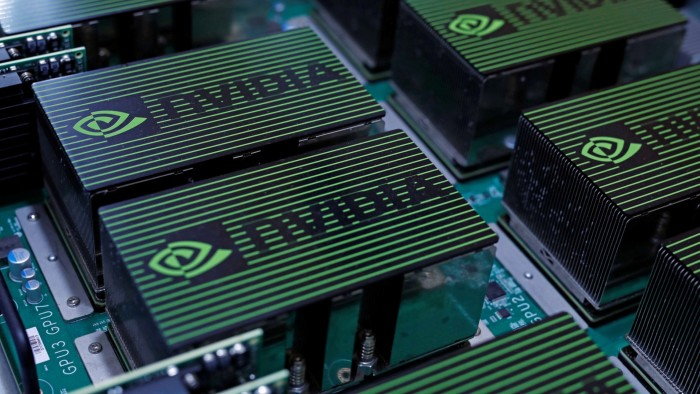
Nvidia is grappling with new US export controls that limit its ability to sell artificial intelligence chips to China. The company’s shares took a significant hit, reflecting broader concerns in the tech sector. The recent measures are part of an ongoing trade war between the US and China, intensifying competition in the semiconductor market. Nvidia has warned of a potential $5.5 billion loss in earnings due to these restrictions, which require special licenses for its H20 chip sales to Chinese customers.
Key Details
- Nvidia’s new H20 chip, designed to comply with previous regulations, now faces additional licensing requirements.
- The company expects to take a $5.5 billion charge for inventory and related commitments in the upcoming quarter.
- Other tech stocks, including AMD and ASML, have also seen declines as a result of these trade tensions.
- Analysts are uncertain about the future of Nvidia’s H20 chip, with some suggesting it could lead to a significant drop in revenue from Chinese sales.
Importance of the Developments
These export controls highlight the fragile nature of international trade relations and the significant impact on tech companies. Nvidia’s situation illustrates the risks associated with geopolitical tensions, particularly in the semiconductor industry. As the US and China continue to clash over trade policies, companies like Nvidia may struggle to navigate these challenges, which could reshape the landscape of global technology and innovation. The outcome of these tensions may also affect consumers and businesses reliant on advanced AI technologies.





