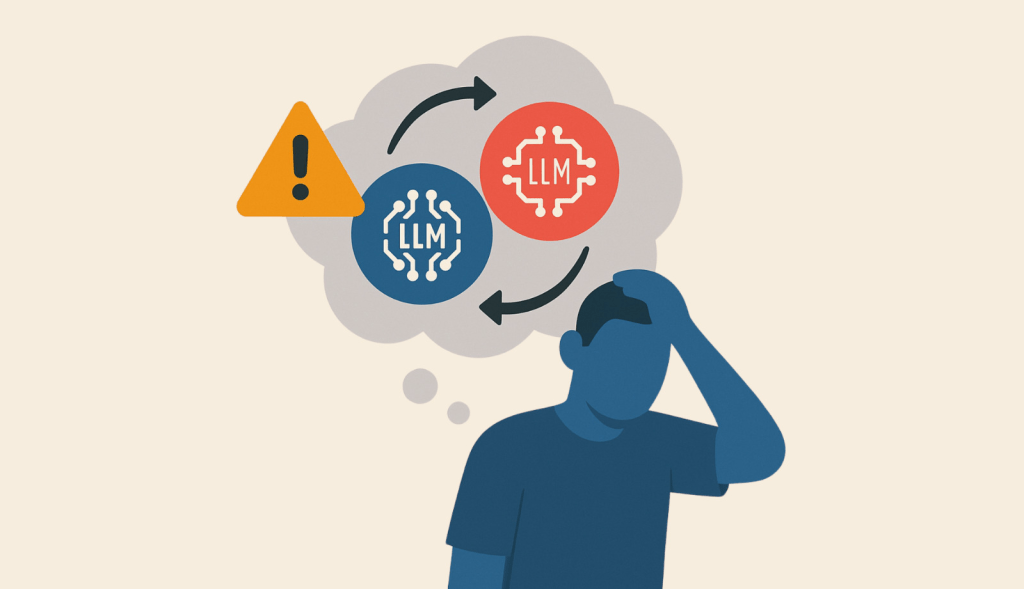
Understanding the intricacies of switching between large language models (LLMs) is essential for businesses looking to optimize their AI capabilities. While it may seem straightforward to transition from one model to another, the reality is that each model has unique characteristics that can significantly impact performance. This guide explores the challenges and considerations involved in migrating from models like OpenAI’s GPT-4o to Anthropic’s Claude or Google’s Gemini, emphasizing the importance of careful planning and adaptation.
Key considerations include:
- Tokenization differences: Each model uses distinct tokenization strategies, affecting input prompt length and overall costs. Some models may require more tokens for the same text, leading to unexpected expenses.
- Context window variations: Different models support varying context lengths, which can influence performance. For example, while Sonnet-3.5 offers a larger context window, GPT-4o may perform better with shorter prompts.
- Formatting preferences: LLMs can be sensitive to how prompts are formatted. Some models favor markdown, while others prefer XML tags, significantly affecting output quality.
- Response structure: Each model generates responses differently, with some favoring structured outputs like JSON, impacting the way information is processed and presented.
Understanding these factors is crucial for businesses aiming to leverage AI effectively. The ability to navigate model differences can lead to better performance, cost savings, and ultimately, a more efficient use of AI technology. As the landscape of AI continues to evolve, organizations that invest in understanding and adapting to these complexities will be better positioned to harness the full potential of LLMs.