Overview of Military AI Integration
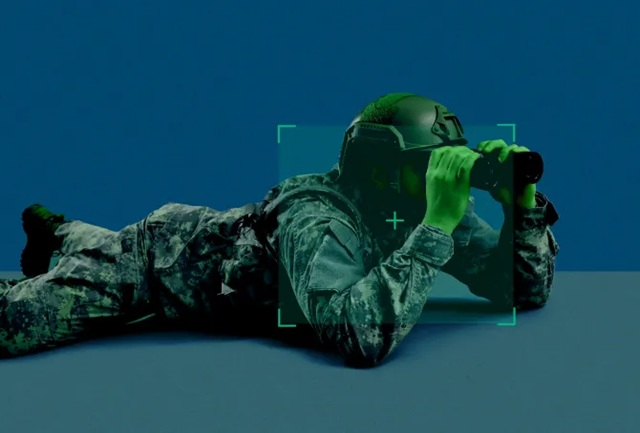
The Pentagon is taking significant steps to incorporate generative AI into military operations. This new phase involves using chatbots similar to ChatGPT to help soldiers analyze intelligence data and detect threats more effectively. Recently, U.S. Marines utilized these AI tools during training missions in various locations, marking a pivotal moment in the military’s approach to technology. The integration builds on earlier AI projects and aims to enhance decision-making and operational planning.
Key Details of the Initiative
- The current phase follows previous AI initiatives that began in 2017, focusing on computer vision and drone imagery.
- The Biden administration is pushing for rapid AI integration in defense, influenced by political pressure and support from notable figures like Elon Musk.
- Concerns arise from AI safety experts about the ethical implications of using AI for surveillance and threat detection.
- The military faces challenges regarding human oversight of AI, classification of AI-generated data, and the appropriate level of AI involvement in decision-making processes.
Implications for the Future
The adoption of generative AI in military operations presents critical questions about risk and accountability. As AI becomes more integrated into military strategies, it is essential to balance efficiency with the potential for errors. The ongoing debate will shape the future of defense technology and the ethical considerations surrounding AI in warfare. The Pentagon’s evolving strategy will likely influence how military operations are conducted and how technology interacts with human oversight.