
Understanding the Landscape of Automation
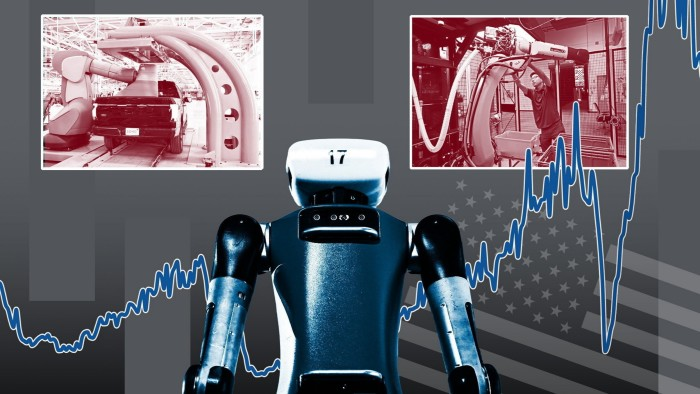
The push to bring manufacturing jobs back to the US is a significant part of Donald Trump’s economic plan. However, this ambition faces hurdles. Factories are struggling to find workers, with many jobs unfilled. To address this, there is a growing interest in using robots in manufacturing. Yet, industry experts express doubts about the feasibility of rapid automation, citing various barriers.
Key Insights on Automation Challenges
- High costs remain a major obstacle, with industrial robots and their installation expenses being substantial.
- Many smaller factories lack robots, with only 20% of those with 50-150 employees having one.
- Different manufacturing sectors face unique challenges, particularly those with frequently changing products.
- Government support in other countries, like China and South Korea, has led to higher robot adoption rates compared to the US.
The Bigger Picture of Automation in Manufacturing
The future of manufacturing automation in the US is uncertain. The reliance on imports for robots and components adds to the challenges. Additionally, the lack of a national robotics strategy and cuts to federal research budgets hinder progress. There is also a pressing need for skilled workers to operate and maintain robots, which the current education system is not adequately supplying. Labor unions are increasingly opposing automation, fearing job losses. While automation is seen as a solution to labor shortages, experts caution that widespread implementation is still a long way off.





