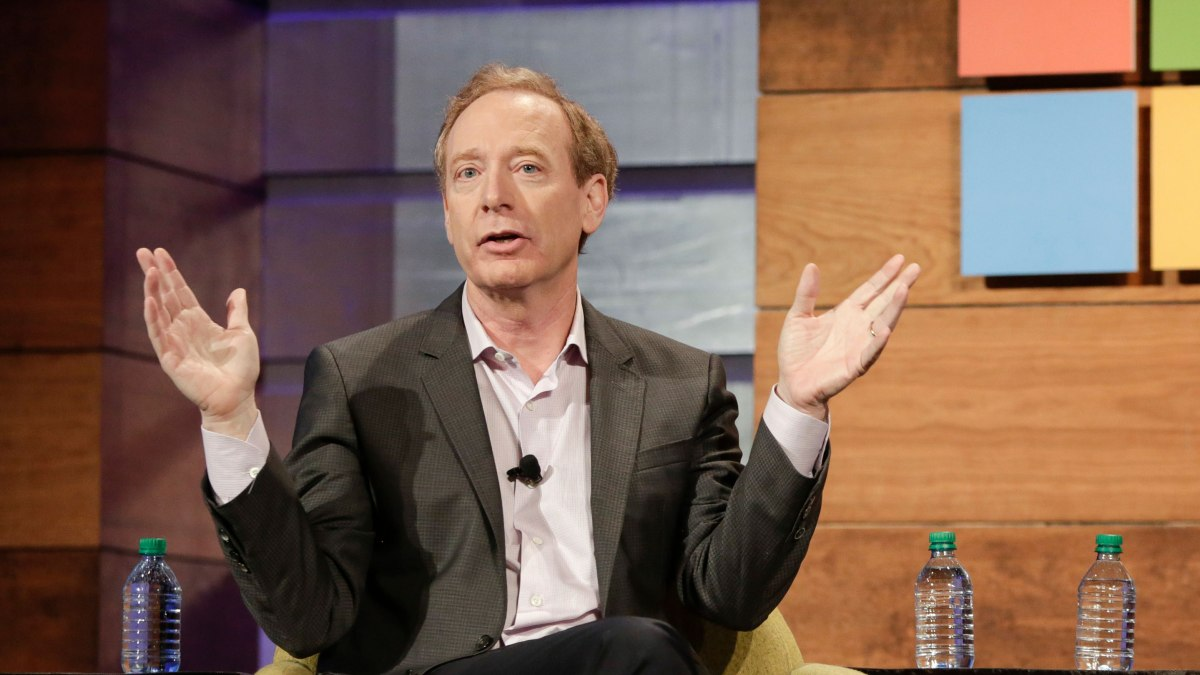
Concerns over data security and potential propaganda influence have led Microsoft to prohibit its employees from using the DeepSeek application. During a recent Senate hearing, Microsoft vice chairman and president Brad Smith stated that the company does not allow access to DeepSeek due to the risks associated with data being stored on Chinese servers. This marks the first public acknowledgment of such a ban by Microsoft, which has opted not to include DeepSeek in its app store.
Key points include:
- DeepSeek’s privacy policy indicates that user data is stored in China, making it vulnerable to local laws and intelligence mandates.
- Concerns about the app’s ability to spread misinformation and generate insecure code have been raised.
- Microsoft has previously integrated DeepSeek’s R1 model into its Azure cloud service, although this is separate from the app itself.
- Smith mentioned that Microsoft has modified DeepSeek’s AI model to mitigate harmful outcomes, but specifics were not provided.
Understanding these restrictions is crucial for the tech industry, especially amid rising concerns about data privacy and security. Microsoft’s stance reflects a growing trend among companies to safeguard sensitive information and maintain integrity in their services. As competition in AI technology intensifies, such measures highlight the importance of responsible AI usage and the need for companies to navigate complex international data regulations carefully.