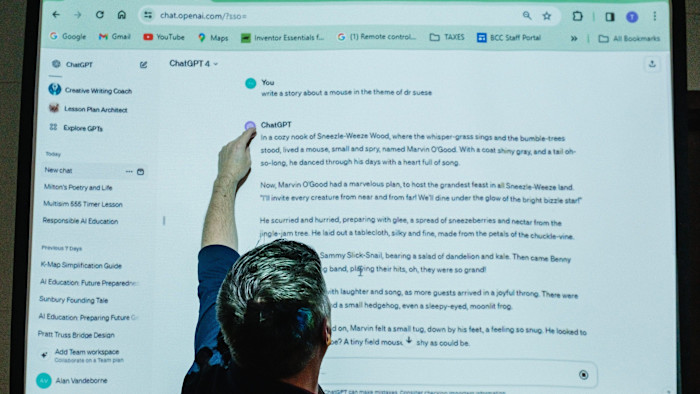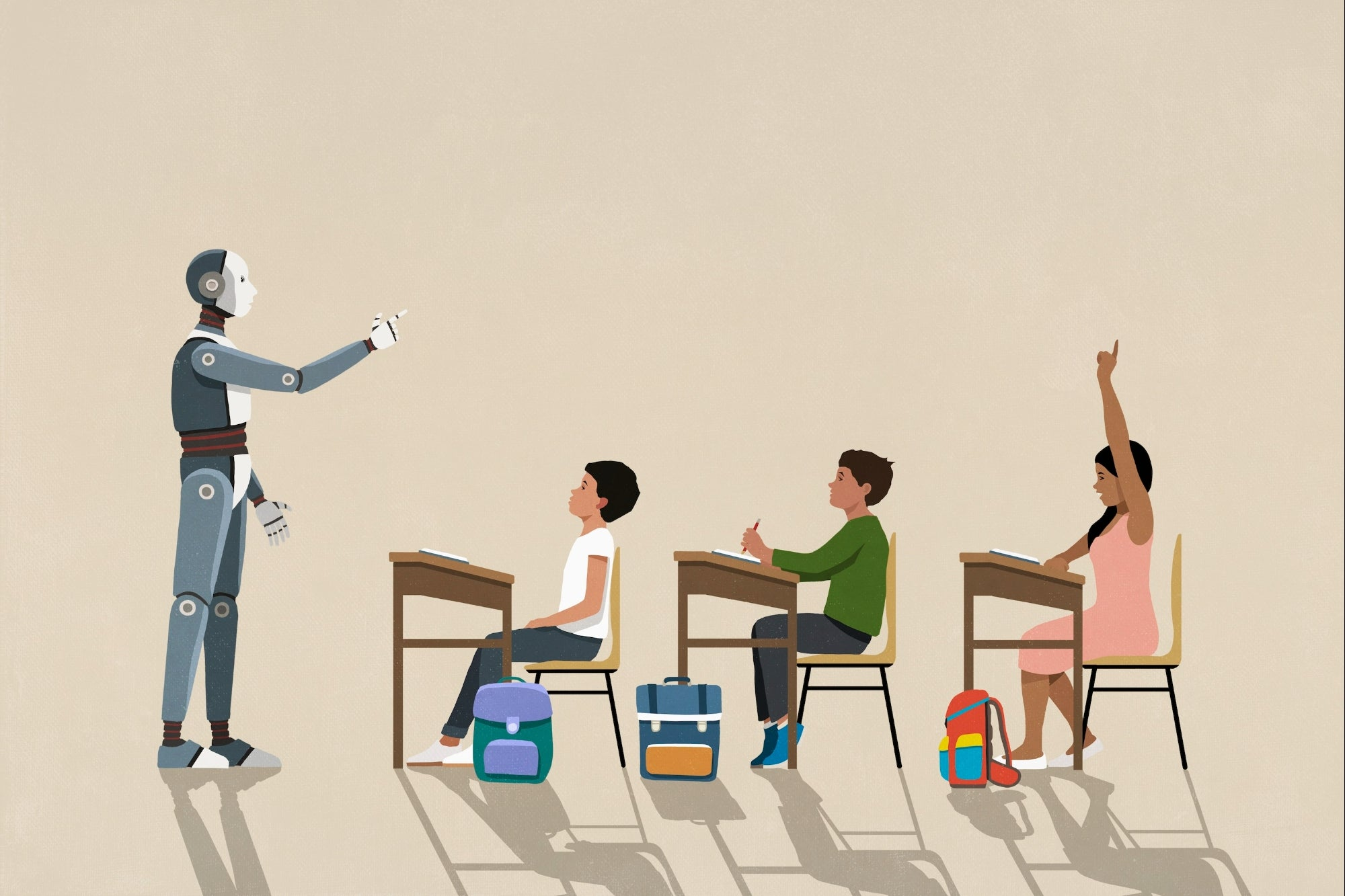
The increasing use of AI in higher education is raising concerns among students and faculty alike. A recent incident at Northeastern University illustrates the challenges of this trend. Ella Stapleton discovered that her professor, Rick Arrowood, used ChatGPT to create course materials, despite prohibiting students from using AI. After filing a complaint and requesting a tuition refund, which was denied, Stapleton’s experience reflects a broader issue in academia regarding the ethical use of AI.
Key Insights
- A survey shows that the use of generative AI by educators has nearly doubled in one year, from 22% to 40%.
- Students are also embracing AI, with over one-third of young adults using ChatGPT, primarily for tutoring and writing support.
- Colleges are creating guidelines for AI use, with institutions like Harvard and NYU advising on the responsible use of chatbots.
- Many universities are employing software to detect AI-generated content, but students are finding ways to bypass these checks.
Implications for the Future
The rise of AI in higher education presents both opportunities and risks. While AI can enhance learning and streamline administrative tasks, it also poses a threat to critical thinking skills. Studies show that reliance on AI can lead to a decline in cognitive abilities. As AI becomes more integrated into educational settings, it is crucial for institutions to establish clear guidelines and promote responsible use among students and faculty. Balancing innovation with academic integrity will be key to fostering a healthy learning environment.