
Overview of the Debate
A recent Senate meeting highlighted the urgent need for the US to deregulate and invest in artificial intelligence (AI) to maintain a competitive edge over China. Tech executives and politicians expressed a strong consensus against heavy regulations, particularly those similar to the European Union’s, which they believe could hinder innovation. While the federal government pushes for deregulation, many states are moving to implement their own AI regulations to address issues like deepfakes and discrimination. This creates a complex landscape where federal and state interests may clash.
Key Points to Consider
- There is a push from House Republicans for a 10-year moratorium on state AI regulations, which has faced significant backlash from state representatives.
- Many states have already introduced numerous AI-related bills, indicating a strong desire to regulate AI at the local level.
- Experts warn that fragmented state laws could complicate AI adoption across industries, particularly in finance and healthcare.
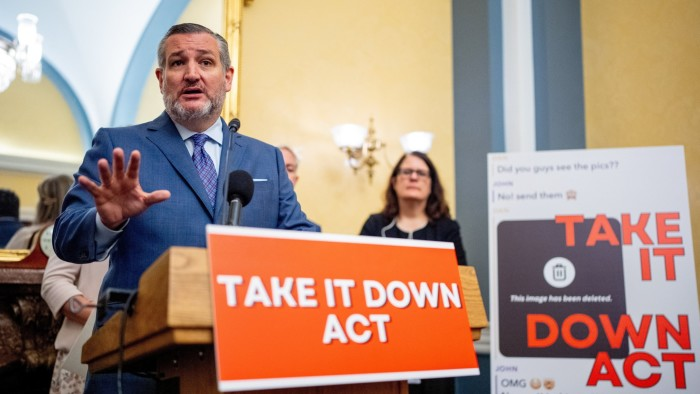
- The regulatory landscape is evolving, with some bipartisan efforts emerging to address specific harmful uses of AI, like the sharing of AI-generated abusive material.
Significance of the Situation
The tension between federal and state regulations on AI reflects broader societal concerns about technology’s impact. As states take action to fill the regulatory void left by Washington, the potential for a patchwork of inconsistent laws could stifle innovation rather than enhance it. However, this momentum at the state level may also compel federal action, leading to a more coherent national policy. As the debate continues, it is clear that regulation is not just a barrier; it can also drive innovation and build trust in AI technologies.





