Understanding the Dilemma
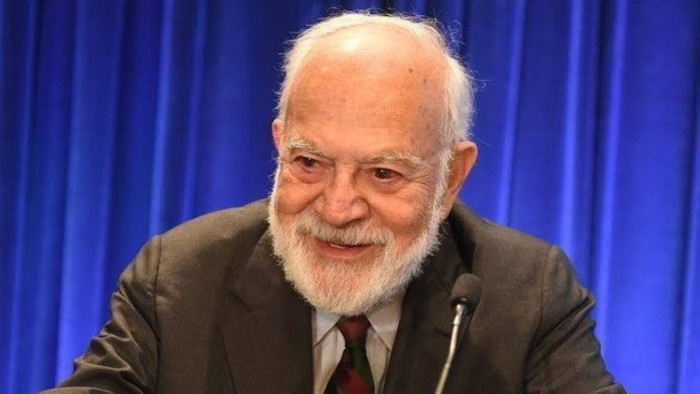
The rise of generative artificial intelligence (AI) has sparked a debate about its relationship with truth. Philosopher Harry Frankfurt, in his essay “On Bullshit,” argues that bullshit is a greater threat to truth than lies. Unlike liars, who engage with the concept of truth, bullshitters disregard it entirely. This perspective becomes increasingly relevant in the context of AI, where models often produce content without a genuine understanding of truth.
Key Insights
- Large language models (LLMs) generate information based on statistical correlations rather than factual accuracy.
- These models can “hallucinate” facts, creating false information that can lead to serious consequences.
- AI companies are attempting to enhance their models through better data and verification methods, but challenges remain.
- The risk of “careless speech” emerges, where AI-generated content can unintentionally mislead and distort knowledge over time.
The Bigger Picture
The implications of AI-generated content extend beyond mere misinformation. The lack of intentionality in chatbots raises concerns about their potential to misinform without purpose. As society increasingly relies on these technologies, the question of whether AI can be developed to prioritize truthfulness becomes critical. While generative AI holds significant promise for various applications, it is essential to recognize its limitations and avoid treating it as a definitive source of truth.