
Understanding the Issue
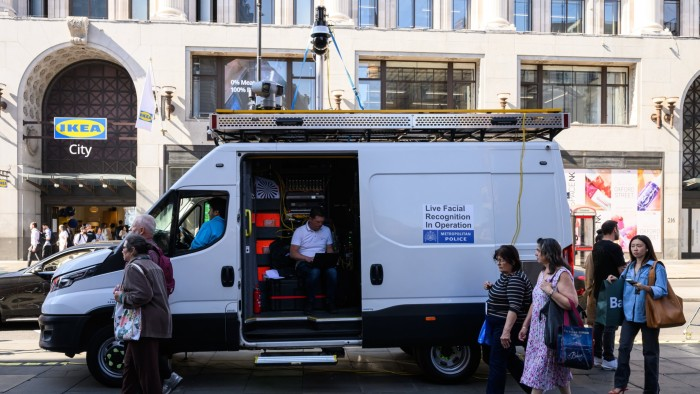
Facial recognition technology is rapidly expanding in the UK, used by both law enforcement and private businesses. Campaigners for data privacy are urging the government to implement new laws to regulate this technology. A recent report from the Ada Lovelace Institute highlights significant gaps in the current legal framework governing biometrics, warning that the lack of clear regulations has created a chaotic environment. The report calls for a new regulator to oversee the use of facial recognition and ensure it aligns with human rights and privacy laws.
Key Details
- Almost 5 million faces were scanned by police in the UK last year, leading to over 600 arrests.
- The legality of current facial recognition practices is questionable, as seen in a 2020 court ruling against South Wales Police.
- Retailers are increasingly adopting facial recognition to combat crime, but critics argue it infringes on individual rights.
- The UK is lagging behind Europe and the US, where stricter regulations on facial recognition have already been enacted.
Significance of the Debate
The discussion around facial recognition technology is crucial as it touches on privacy, civil liberties, and the balance between security and freedom. Without clear regulations, the potential for misuse increases, leading to a society where surveillance is normalized. The call for a legislative framework is vital to protect citizens’ rights and ensure that technology serves the public good rather than infringing on personal freedoms. As the government prepares to address these concerns, the outcome will shape the future of privacy in the UK.





