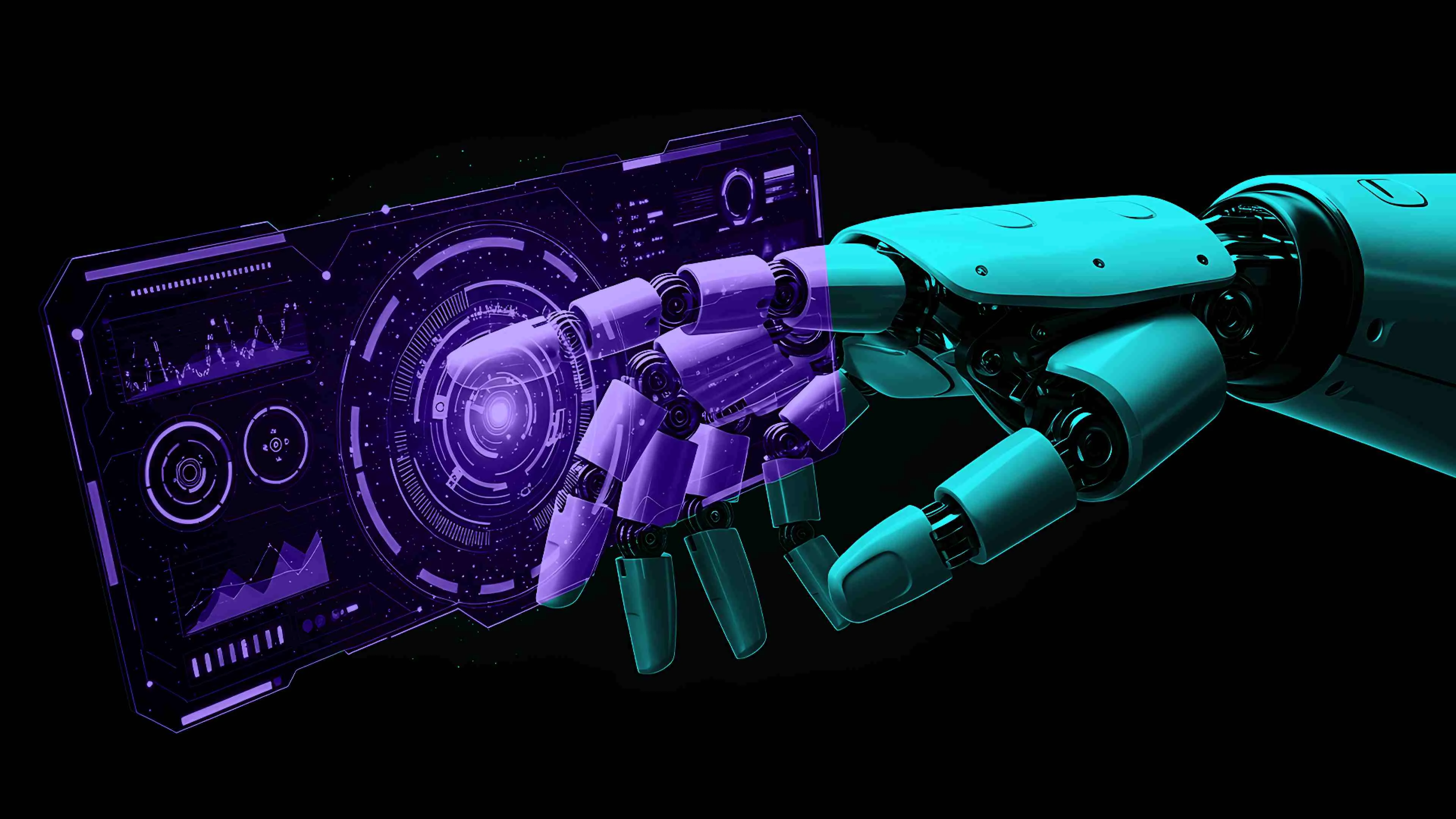
Understanding the Evolution of AI
Next-generation AI systems are evolving rapidly, moving beyond traditional LLMs. The integration of quantum computing and human biology is reshaping how we think about artificial intelligence. As LLMs become more complex, their roles in society are changing, leading to a future where they may no longer be the primary focus. This shift is driven by the need for more energy-efficient and capable systems that can handle tasks with incredible precision.
Key Highlights
- AI is merging with human biology, creating hybrid systems that utilize both neurons and silicon chips.
- Brain-computer interfaces (BCIs) are now capable of performing tasks like video editing, showcasing the practical applications of this technology.
- The lines between human creativity and AI-generated content are blurring, evident in fashion and entertainment.
- The evolution of LLMs brings forth challenges such as ensuring ethical use and preventing harmful outputs.
Significance of This Transformation
The ongoing transformation in AI technology matters greatly for society. As machines become more capable and human-like, ethical considerations around their use and integration become paramount. The potential for AI to create art, manage health data, and even participate in entertainment raises questions about identity and creativity. This evolution could redefine industries, but it also poses risks if not managed responsibly. Understanding these changes will be crucial as we navigate a future where humans and machines coexist more closely than ever.