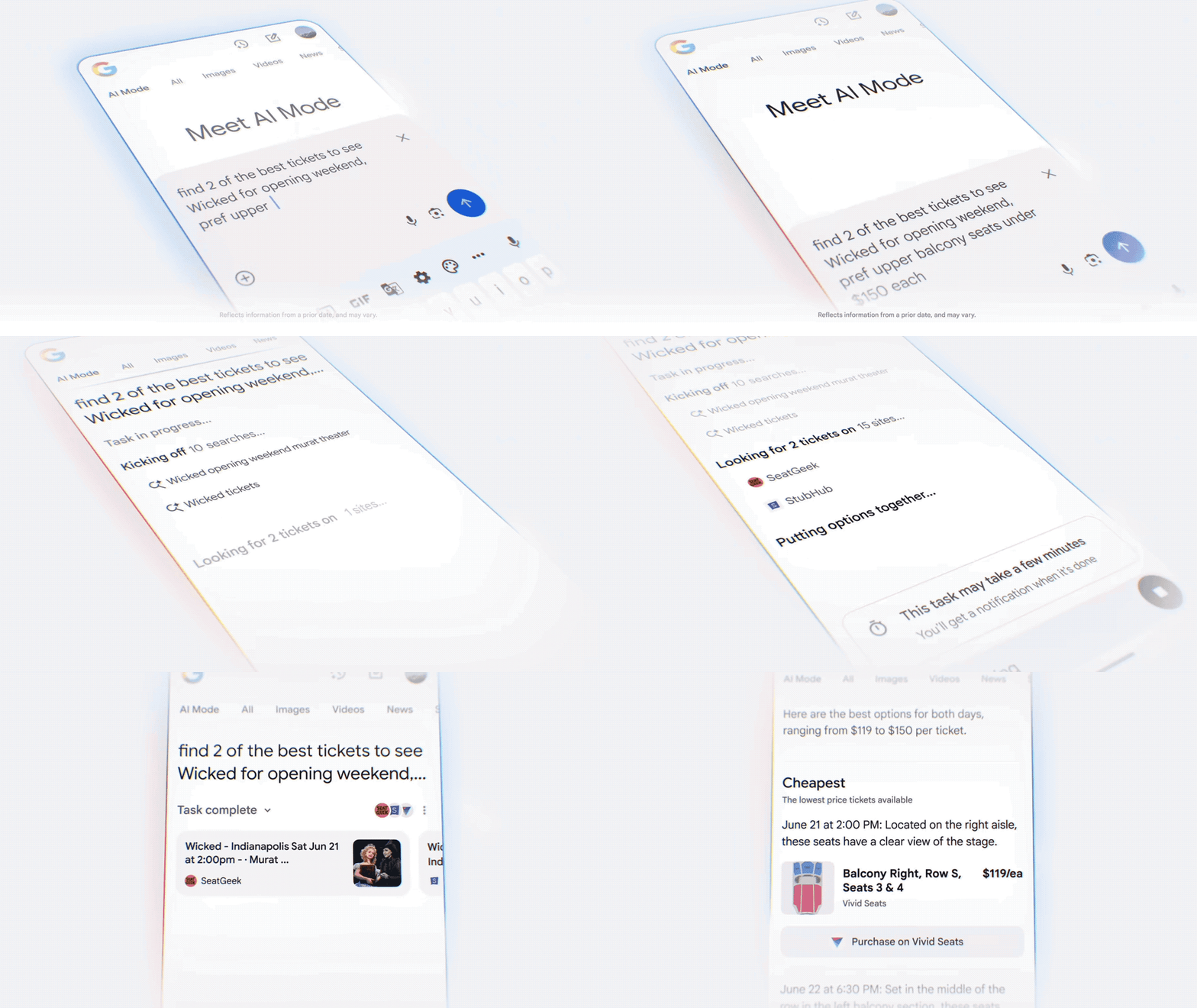
Understanding AI Mode in Search
Google’s new AI Mode transforms traditional search into interactive conversations. Instead of simply providing links, it aims to assist users in completing tasks like booking flights or finding restaurants. This mode is still in its early stages, operating mainly through a button on the Google homepage. While it has the potential for significant disruption across various industries, including media and e-commerce, it currently requires users to engage with it actively. Google is cautious about fully implementing AI Mode, as it relies heavily on its traditional search model for revenue.
Key Insights
- AI Mode offers a more engaging search experience by reducing the cognitive load on users.
- A significant number of consumers (17%) now prefer AI-generated answers over traditional search results.
- The rise of AI search could lead to a flattening of knowledge diversity, prioritizing mainstream perspectives over niche voices.
- Media organizations face the challenge of becoming distinctive signal generators in an increasingly AI-driven information landscape.
The Bigger Picture
As AI search becomes more prevalent, it poses both opportunities and challenges for media and journalism. The shift toward AI-generated summaries may streamline information access but risks diminishing the richness of diverse viewpoints. Media outlets must adapt by providing unique insights while also aligning with mainstream narratives. This evolution in search and information dissemination will shape how audiences engage with content, making it imperative for journalists to navigate this new terrain effectively. The future of search is here, and mastering it will be crucial for success in the media landscape.