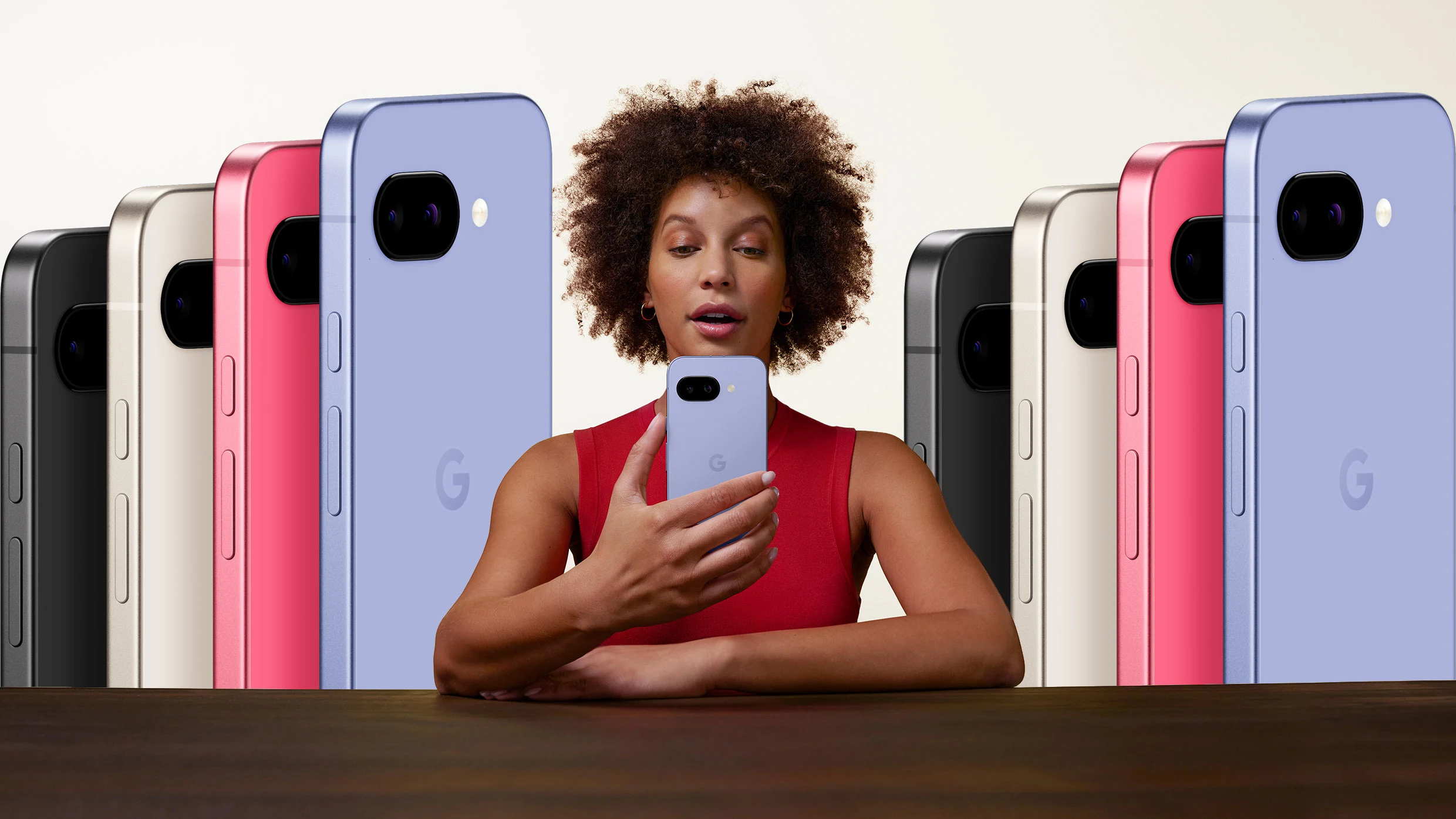
Overview of the Experience
The Google Pixel 9a aims to integrate AI into the smartphone experience, positioning itself as the most affordable entry point into Google’s Gemini AI ecosystem. While the intention was to embrace these AI features fully, the reality is mixed. Although Gemini has improved from its initial launch, it still struggles with accuracy and reliability in key tasks. Users may find themselves relying on traditional methods rather than fully embracing the AI capabilities.
Key Highlights
- Gemini has improved but can still misinterpret or invent information, such as flight details.
- The voice assistant struggles with practical tasks, including traffic predictions and calendar management.
- Features like Camera Mode impress but often provide basic answers similar to a standard Google search.
- Some exclusive features are missing on the Pixel 9a, limiting its AI functionality compared to pricier models.
Significance of the Findings
The performance of the Pixel 9a raises questions about the current state of AI integration in smartphones. While the device offers a solid phone experience for its price, it highlights the gap between marketing promises and user reality. For AI to enhance daily life effectively, it needs to be more reliable and integrated with various applications. The Pixel 9a serves as a reminder that while AI is a growing focus, it still has a long way to go before it becomes a truly indispensable tool in our daily lives.