Overview of the Situation
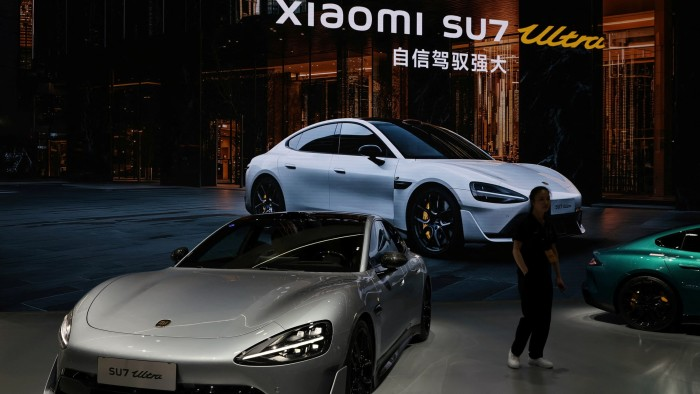
China is experiencing a rapid rise in the use of autonomous driving features in cars. This surge has alarmed regulators in Beijing, who are now working to establish safety and liability frameworks for these technologies. Despite the absence of clear regulations, nearly 20% of new cars sold in China are equipped with advanced autonomous functions. Recent accidents, including a tragic incident involving a Xiaomi electric sedan, have intensified discussions about safety and the need for regulatory measures.
Key Details
- The Ministry of Industry and Information Technology has proposed new safety requirements for driver assistance systems, aiming to reduce accidents and guide technology development.
- Industry experts believe that self-driving technology is essential for companies to remain competitive, despite regulatory uncertainties.
- Current liability rules are unclear, especially concerning shared responsibility among drivers, insurers, and automakers for Level 3 vehicles.
- Experts predict that it may take five to ten years to establish a comprehensive insurance system for smart cars, as the technology evolves rapidly.
Importance of the Issue
The development of regulations for autonomous vehicles is crucial for ensuring safety while fostering innovation. As China leads in driverless technology, it faces the challenge of balancing regulatory oversight with the need for technological advancement. The outcome of this regulatory framework will significantly impact the future of transportation in China and potentially set a precedent for other countries. With projections indicating a booming market for robotaxis, the stakes are high for both the industry and consumers. The interaction between regulation and technology will shape the landscape of autonomous driving for years to come.