Overview of Hyperion and Its Significance
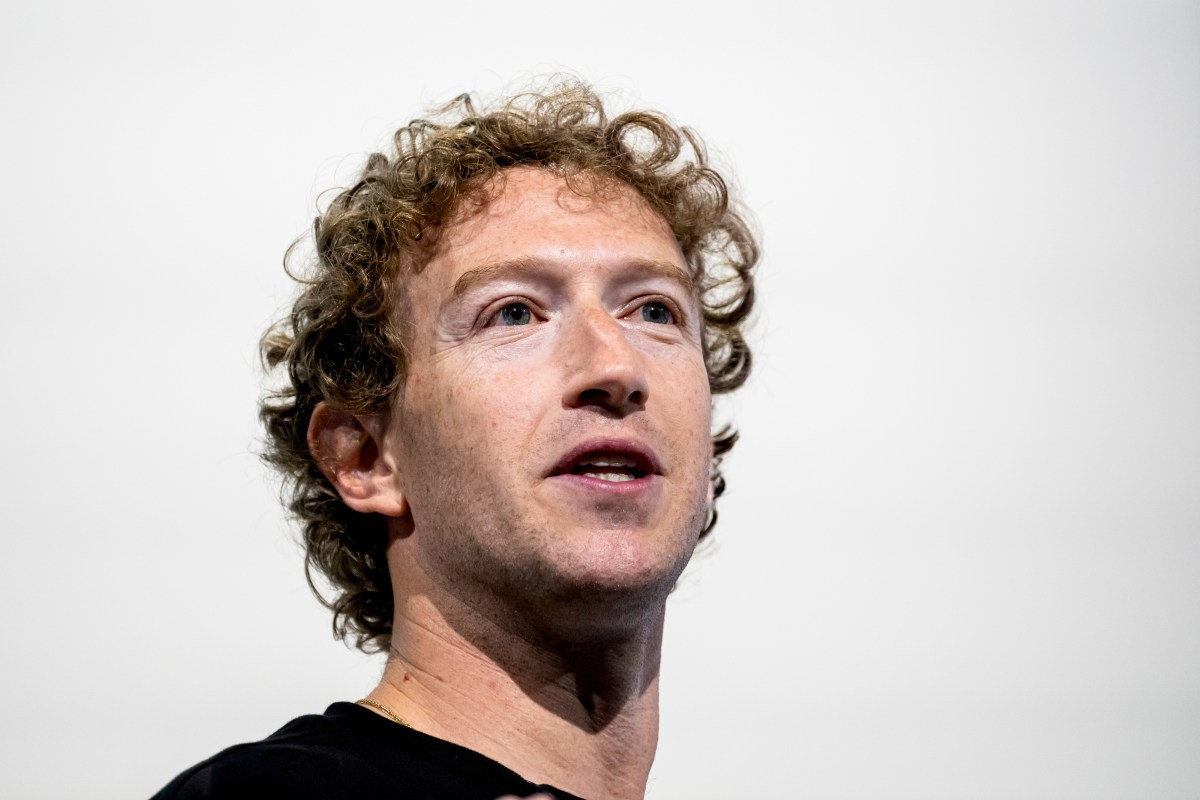
Meta is constructing a massive data center named Hyperion, which aims to provide five gigawatts (GW) of computational power for its new AI lab. This initiative is part of Meta’s strategy to outperform competitors like OpenAI and Google in the AI field. CEO Mark Zuckerberg highlighted the project on Threads, emphasizing its substantial size, comparable to most of Manhattan. The data center will be located in Louisiana, specifically in Richland Parish, and is expected to begin operations with two gigawatts of capacity by 2030, eventually scaling to five gigawatts.
Key Highlights
- Hyperion will support Meta’s AI ambitions, allowing for advanced model training.
- The data center will be complemented by another super cluster, Prometheus, set to launch in 2026, adding one gigawatt of power.
- Both Hyperion and Prometheus together will consume vast amounts of energy, potentially affecting local communities’ resources.
- Meta’s expansion could attract top talent in AI, enhancing its competitive edge against other tech giants.
The Bigger Picture
The construction of Hyperion and similar data centers reflects the growing demand for AI capabilities and the energy they require. As tech companies invest heavily in these projects, they may significantly increase energy consumption, raising concerns for local communities. With projections suggesting that data centers could account for 20% of U.S. energy use by 2030, there is an urgent need for sustainable energy solutions. This trend highlights the intersection of technology and energy policies, which could shape the future of both industries.