Understanding the Ambitious Project
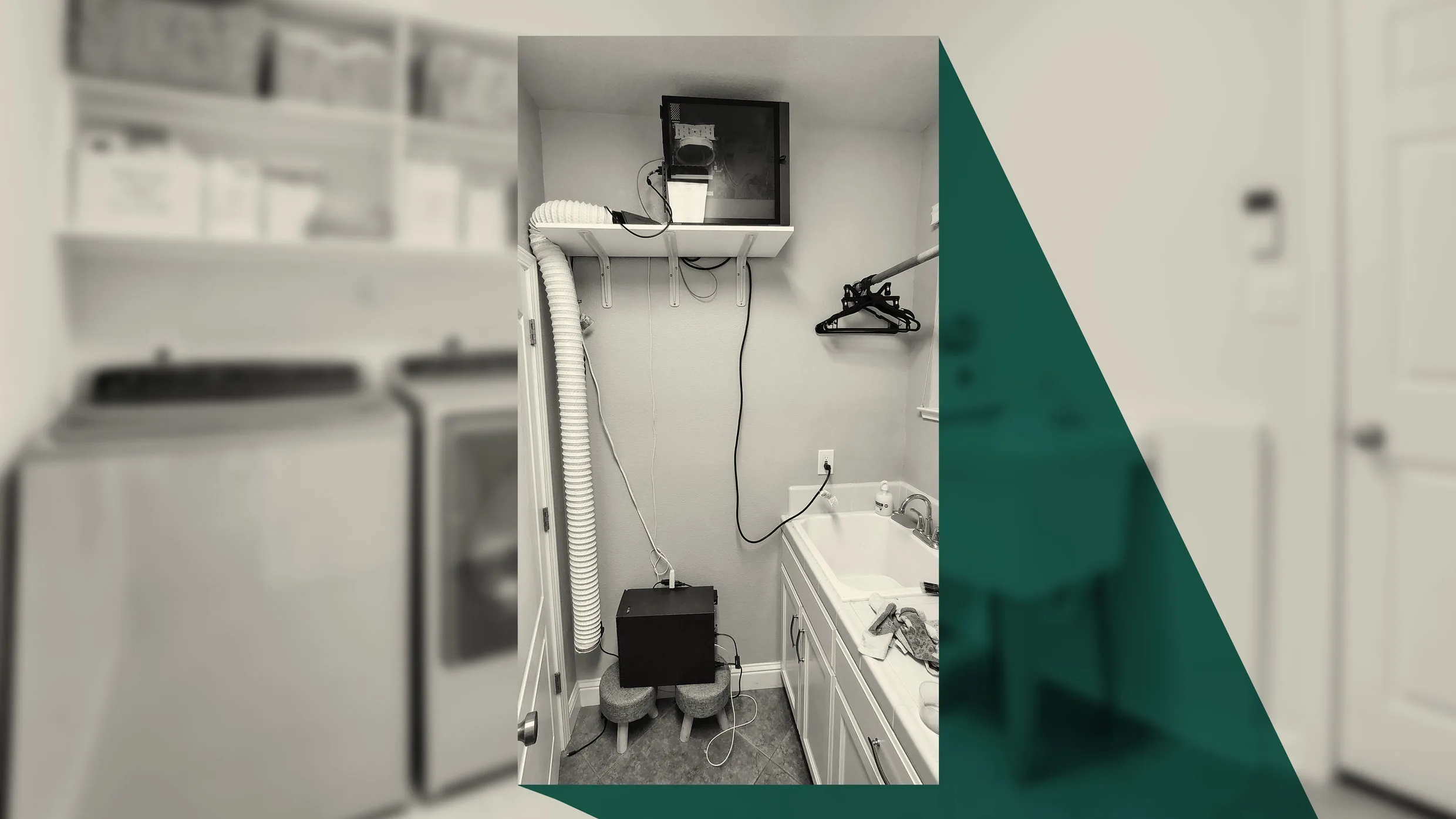
Ryan Pearce has created a DIY search engine called Searcha Page, with a privacy-focused version named Seek Ninja. Built in his laundry room, this project aims to replicate a Google-like experience using old server hardware. Pearce’s setup, though compact, boasts more storage than Google’s original server back in 2000. His search engine is powered by a database with 2 billion entries and employs AI for keyword expansion and context understanding, similar to how Google has utilized AI over the years.
Key Highlights
- Pearce’s search engine operates largely without cloud reliance, using recycled server parts.
- The system cost around $5,000, significantly less than new hardware prices.
- Pearce is leveraging large language models (LLMs) to enhance search results and user experience.
- His search engines focus on privacy, with Seek Ninja not tracking user data or locations.
Significance of the Endeavor
Pearce’s project illustrates the potential for individuals to create competitive search engines without extensive resources. With the rise of self-hosting and affordable technology, it’s now feasible for hobbyists to build robust systems. This development challenges the dominance of major search engines like Google. As user preferences shift towards privacy and personalized experiences, projects like Pearce’s may pave the way for future alternatives in the search engine market. His journey reflects a growing trend of innovation driven by individual developers, showcasing that even ambitious ideas can thrive outside traditional corporate structures.