Overview of the Situation
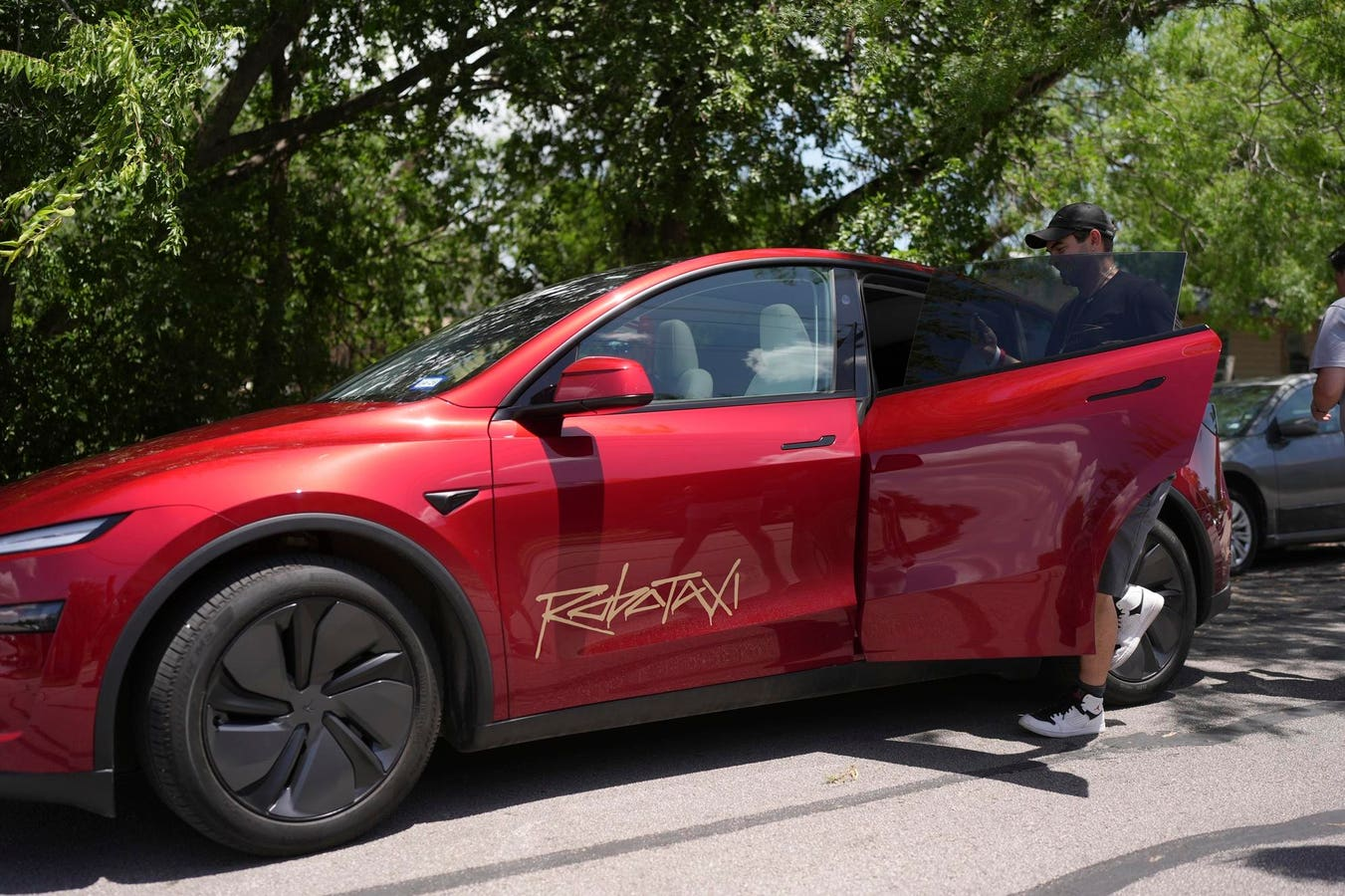
Tesla’s recent debut of its robotaxi service in Austin, Texas, has quickly come under scrutiny due to three reported crashes occurring just ten days after launch. These incidents, all on July 1, raise questions about the safety and reliability of the self-driving technology, especially since they transpired over a mere 7,000 miles of operational driving. The company has redacted significant details from the crash reports, citing proprietary concerns, which complicates the understanding of the events.
Key Details
- All three crashes occurred on the same day, raising concerns about the safety of Tesla’s technology.
- Despite having a safety driver present, the crash rate appears troublingly high for such a small number of operational miles.
- The nature of the crashes varies, with one involving a stationary object and another potentially being a rear-end collision.
- Comparatively, other self-driving companies like Waymo report better safety records, which highlights Tesla’s need for improvement.
Significance of the Findings
The early crashes of Tesla’s robotaxi service could undermine public confidence in self-driving technology. With safety drivers present, the expectation is that such incidents should be rare. The redaction of crash details only fuels skepticism and raises concerns about transparency. If Tesla cannot improve its safety metrics significantly, it risks falling behind competitors who are demonstrating more reliable performance. The implications of these incidents extend beyond Tesla, potentially affecting the broader acceptance and regulation of autonomous vehicles.