Understanding the Debate
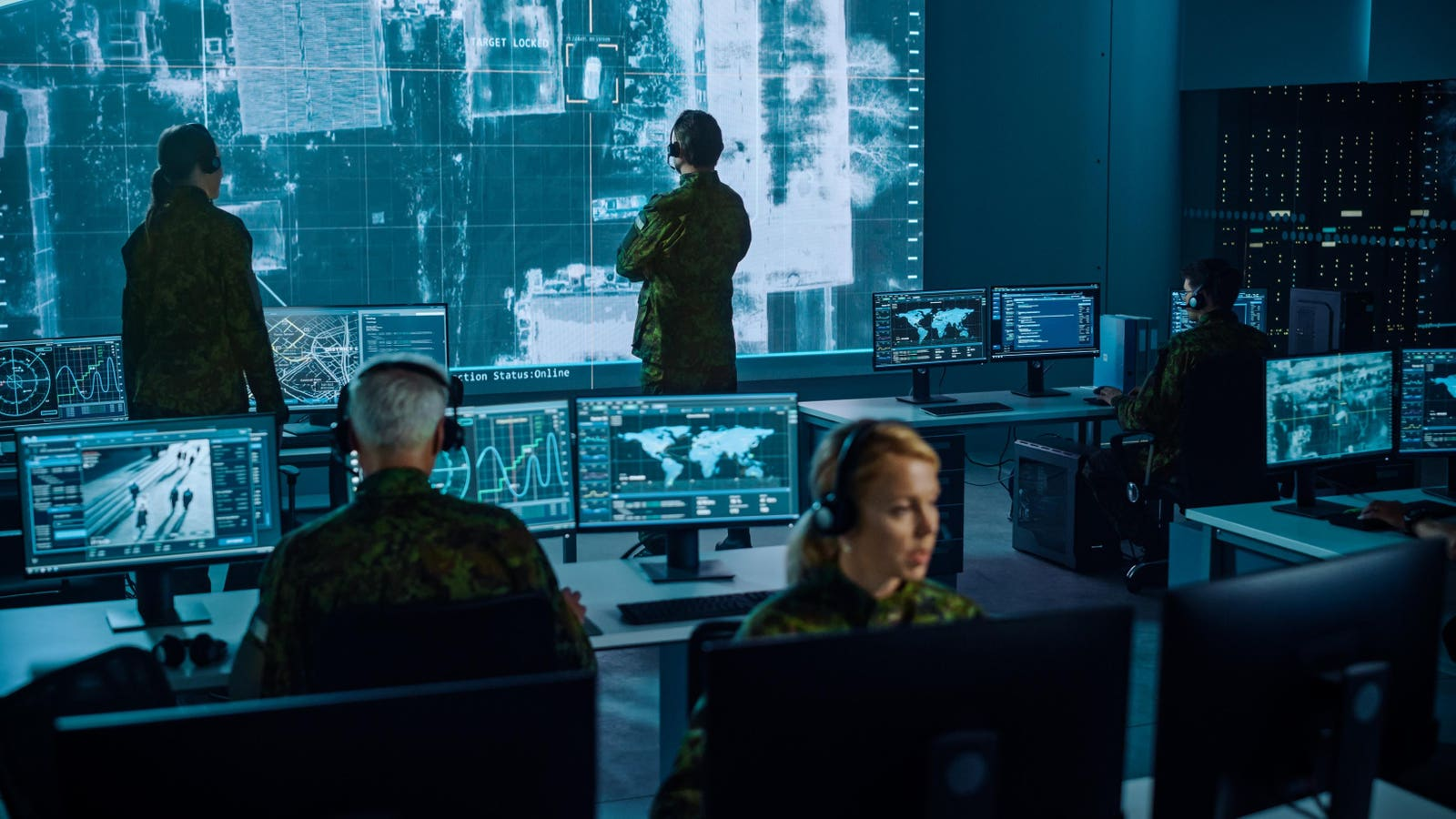
The integration of advanced AI into military strategies raises critical questions about its ethical use and the implications for international law. As nations rush to adopt AI technologies in their arms, the potential for an arms race looms large. The discussion revolves around how AI can transform warfare, but it also highlights the need for a reevaluation of existing laws governing military actions. The research of Dr. Asaf Lubin emphasizes the often-overlooked preparatory stages of war, where AI’s influence begins long before any conflict erupts.
Key Insights
- Advanced AI is becoming essential in military preparations, affecting logistics, intelligence, and decision-making.
- The research points out that current international laws inadequately address the implications of AI in peacetime military preparations.
- AI’s integration can precondition military actions and potentially lead to violations of humanitarian laws.
- The need for a proactive framework in international law is crucial to address the risks posed by AI in warfare.
The Bigger Picture
The evolution of warfare through AI presents significant challenges that go beyond the battlefield. It necessitates a reevaluation of international laws to ensure they adequately reflect the new realities of military technology. As AI continues to reshape how wars are prepared for and conducted, the potential for unintended consequences increases. Nations must consider the ethical ramifications of AI in warfare and strive for regulations that prevent misuse while promoting peace. The future of conflict may hinge on how society chooses to integrate this powerful technology responsibly.