Understanding Goodall’s Impact
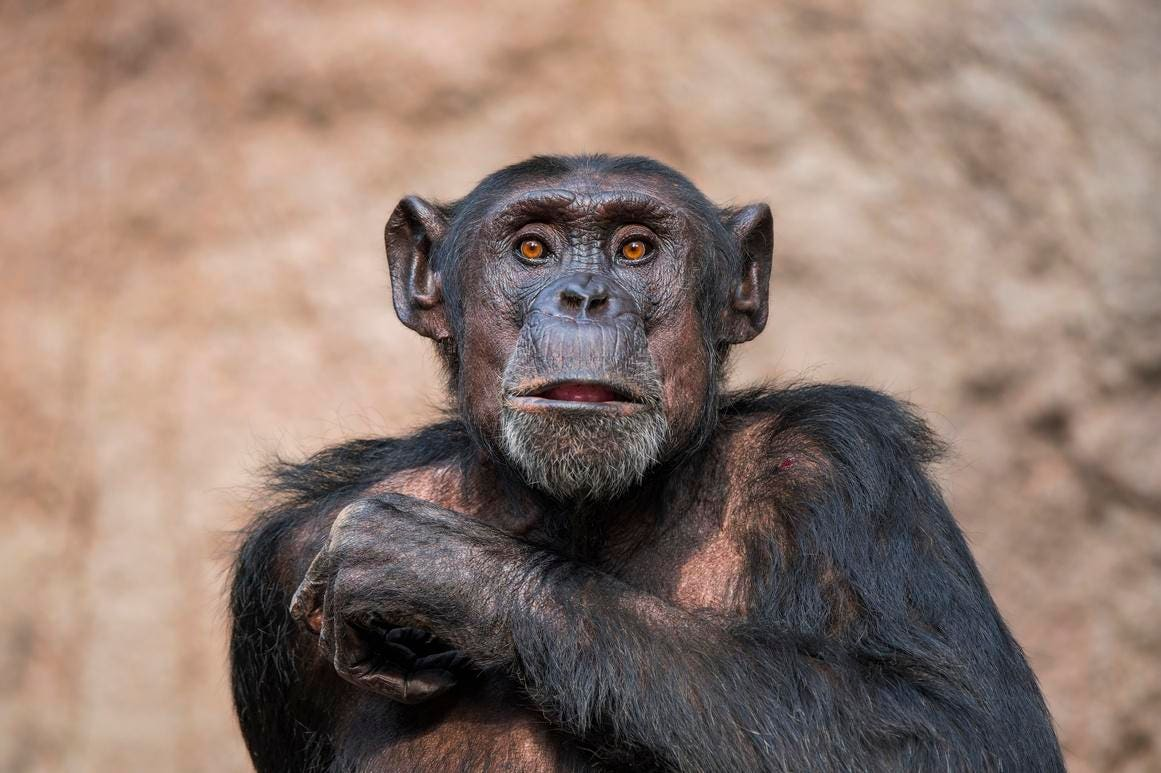
Jane Goodall’s work fundamentally changed how we view intelligence in the animal kingdom. Arriving in Tanzania in 1960 without formal scientific training, she observed chimpanzees and recognized their complex behaviors, emotions, and social structures. Goodall’s groundbreaking research showed that intelligence is not a singular trait, but rather a spectrum of abilities that varies across species. This insight challenges traditional hierarchies of intelligence that place humans at the top. In exploring the relationship between natural and artificial intelligence, her findings remain relevant today.
Key Insights from Goodall’s Research:
- Tool-making was once thought to be unique to humans; Goodall proved otherwise by documenting chimpanzees using tools.
- Chimpanzees exhibit emotional, social, and ecological intelligence, displaying behaviors like grieving and forming political alliances.
- Intelligence exists across various dimensions, with different species excelling in distinct areas, like problem-solving in octopi and spatial tasks in some birds.
- Goodall’s holistic view emphasizes the need for understanding intelligence within ecological and social contexts.
The Bigger Picture: Embracing Cognitive Diversity
Goodall’s legacy is essential as we develop artificial intelligence today. The current discourse often focuses on whether AI can match human intelligence, overlooking the importance of diverse intelligences. AI and natural intelligence can complement each other, enhancing human creativity and ethical reasoning while AI handles complex data processing. As we face global challenges, integrating Goodall’s insights into AI development can lead to more prosocial technologies that benefit both people and the planet. The future of intelligence lies in recognizing and valuing these differences, fostering collaboration rather than competition.