
Understanding the Issue
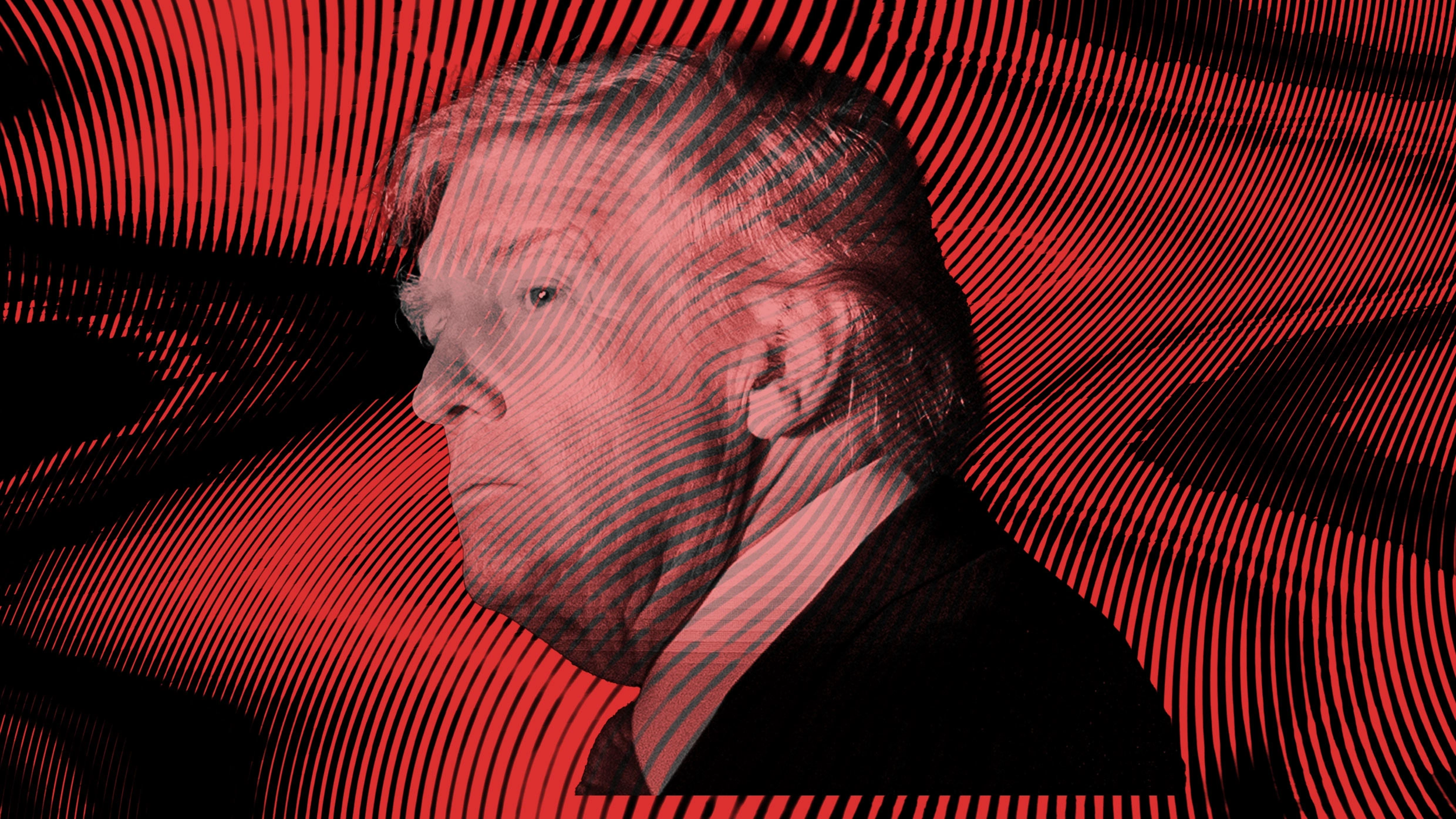
Recent events highlight the dangers of AI-generated disinformation in politics. High-profile figures, like Donald Trump, are using deepfake technology to manipulate public perception. This trend raises serious concerns about the authenticity of media and the implications for democracy. The spread of false information, combined with the labeling of legitimate news as “fake,” creates a toxic environment for truth.
Key Details
- Trump shared a racist AI-generated video of Hakeem Jeffries, showcasing the use of deepfakes for political gain.
- He incorrectly labeled an Ontario government ad featuring Ronald Reagan as an AI deepfake, further muddying the waters of truth.
- Trump’s strategy includes flooding the media with misinformation and discrediting real news, a tactic advised by his ally Steve Bannon.
- The Federal Elections Commission has yet to implement specific regulations on AI deepfakes, leaving a gap in accountability.
The Bigger Picture
The rise of AI deepfakes poses a significant threat to informed voting and democracy. As the line between truth and falsehood blurs, public skepticism grows, making it harder for citizens to discern fact from fiction. This situation benefits those who thrive in chaos and misinformation. Experts warn that without clear regulations, the 2024 elections could see a surge in deceptive AI content, undermining trust in the electoral process. The implications of this technology extend beyond politics, affecting how society perceives truth itself.





