Understanding the Current Landscape
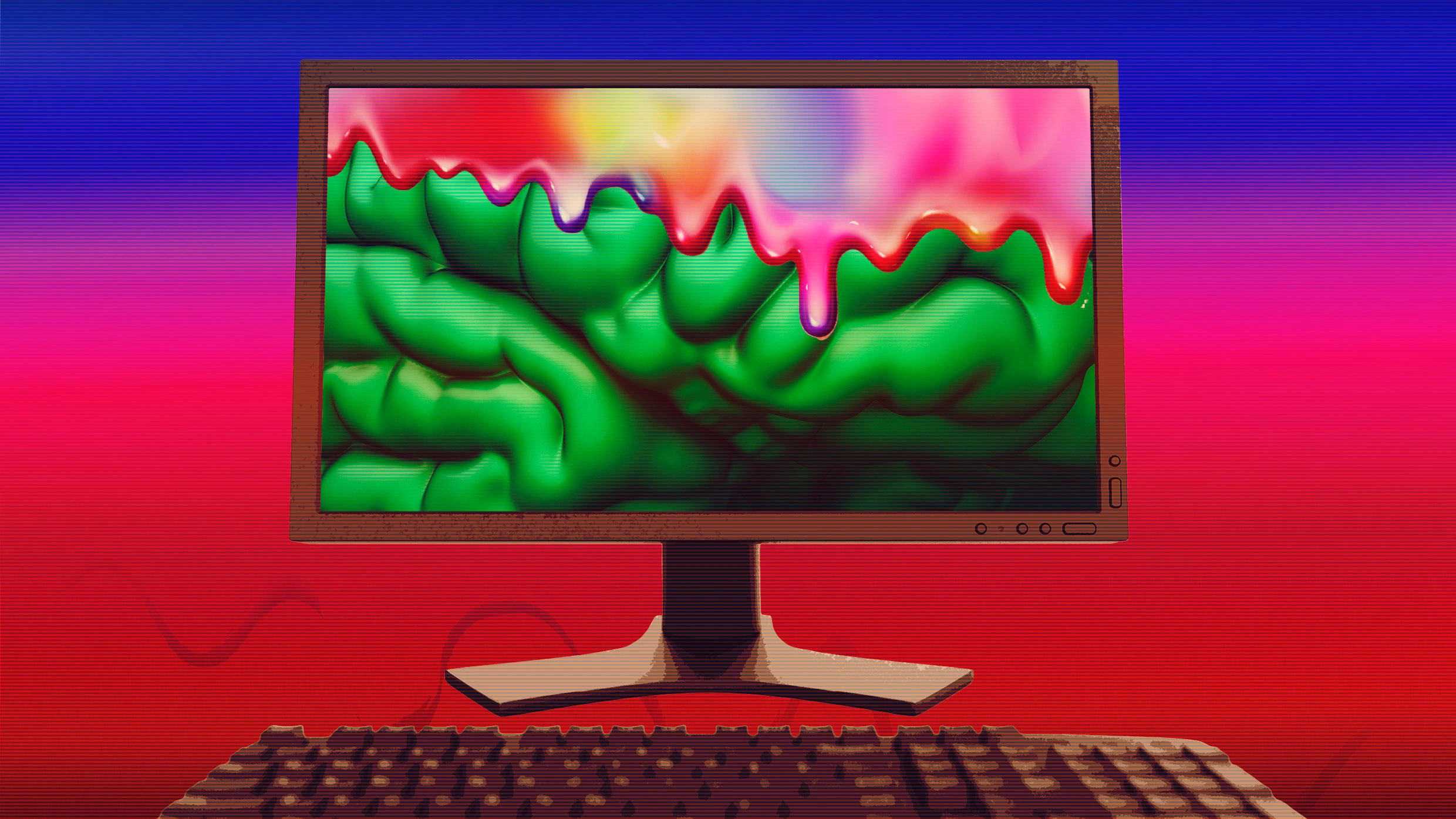
AI-generated content, often referred to as “AI slop,” has become a significant concern in the digital space. This term describes low-quality, nonsensical, and sometimes vulgar output created by artificial intelligence. The surge in generative AI tools has allowed users to easily produce content, leading to a flood of trivial and confusing material online. This phenomenon has raised questions about the quality of information and the future of creativity in a world increasingly dominated by AI. As AI continues to evolve, it is crucial to assess its impact on our digital environment and our understanding of reality.
Key Insights
- AI slop emerged with the rise of generative AI tools, allowing mass content creation.
- The confusion between real and AI-generated content has led to misinformation, as seen in news reports and social media posts.
- Studies show that a significant portion of online content is now AI-generated, complicating the reliability of information.
- Concerns about AI’s ability to maintain truth and understanding highlight the need for better standards in AI training and deployment.
The Bigger Picture
The proliferation of AI slop poses a threat to meaningful communication and cultural expression. As the internet becomes increasingly filled with bot-generated content, the distinction between genuine human creativity and artificial output blurs. This could lead to a future where misinformation is rampant, making it challenging to discern fact from fiction. It is essential to address these issues proactively, as the consequences of unchecked AI content generation could hinder our ability to navigate the digital landscape effectively. The quest for quality and truth in the age of AI is more critical than ever.