Understanding the Concept
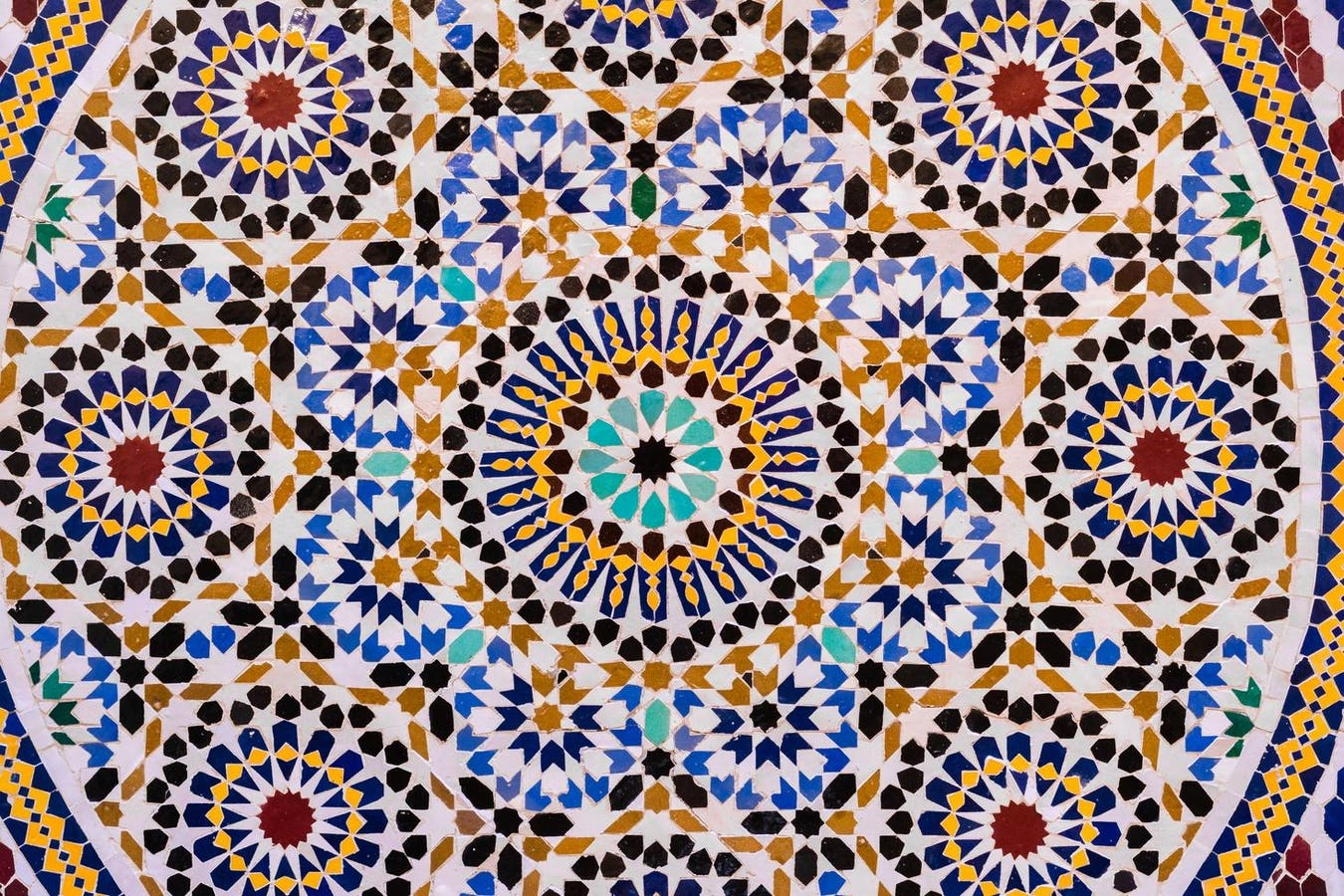
The exploration of integrating human intelligence with digital systems aims to create a future that is both ecological and socially harmonious. This vision is inspired by Morocco’s historical learning spaces and the art of mosaic tilework known as zillij. The intricate patterns of zillij not only serve as beautiful decorations but also embody complex principles of mathematics and philosophy. They represent a method of indirect teaching that influences the mindset of individuals who engage with these environments.
Key Details
- Zillij tilework has a rich history, evolving from ancient practices to become a hallmark of Moroccan architecture.
- The geometric designs reflect the philosophical principle of Tawhid, symbolizing unity in diversity, and require precision for a cohesive whole.
- The architecture of learning spaces embeds values and knowledge visually, acting as a silent teacher to visitors.
- A shift in design focus is necessary, moving from efficiency to wisdom, emphasizing regenerative outcomes in algorithmic systems.
The Bigger Picture
This approach highlights the importance of designing systems that not only serve immediate needs but also contribute positively to the environment and society. By embedding principles of awareness, appreciation, acceptance, and accountability into our digital architectures, we can foster a hybrid future that nurtures both human potential and planetary health. The goal is to create a sustainable framework where technology and nature coexist harmoniously, promoting ecological restoration and social well-being.