Understanding the Shift
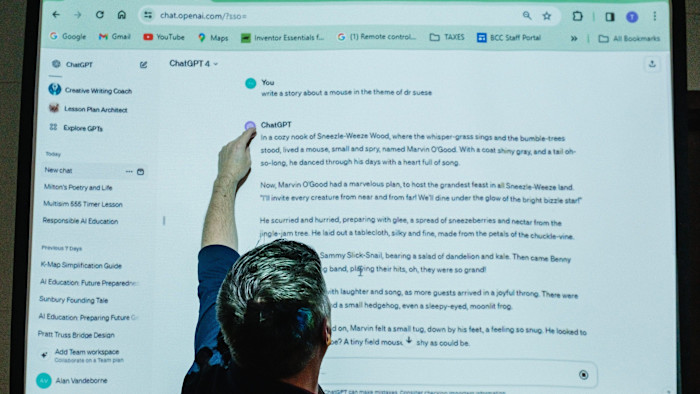
2026 is poised to be a groundbreaking year for technology, with AI intermediaries taking center stage in our daily lives. These AI systems are becoming essential tools, helping individuals navigate complex communications and interactions. As people increasingly turn to AI for assistance in drafting emails or managing sensitive conversations, its role as a mediator is becoming more prominent. This trend reflects a broader shift in how we interact with technology, moving from mere tools to sophisticated partners in communication and decision-making.
Key Insights
- A significant percentage of employees now rely on AI for drafting workplace emails and managing sensitive communications, with 35% having used AI for such tasks.
- In academia, AI is becoming a critical support system for professors, helping them manage workloads amidst instructor shortages.
- The dating world is also adopting AI, with users employing AI-driven apps for crafting messages and improving online profiles, despite potential risks like ‘chatfishing.’
- There are serious concerns about the misuse of AI, especially in fraud cases, where deepfakes can trick individuals into financial scams.
The Bigger Picture
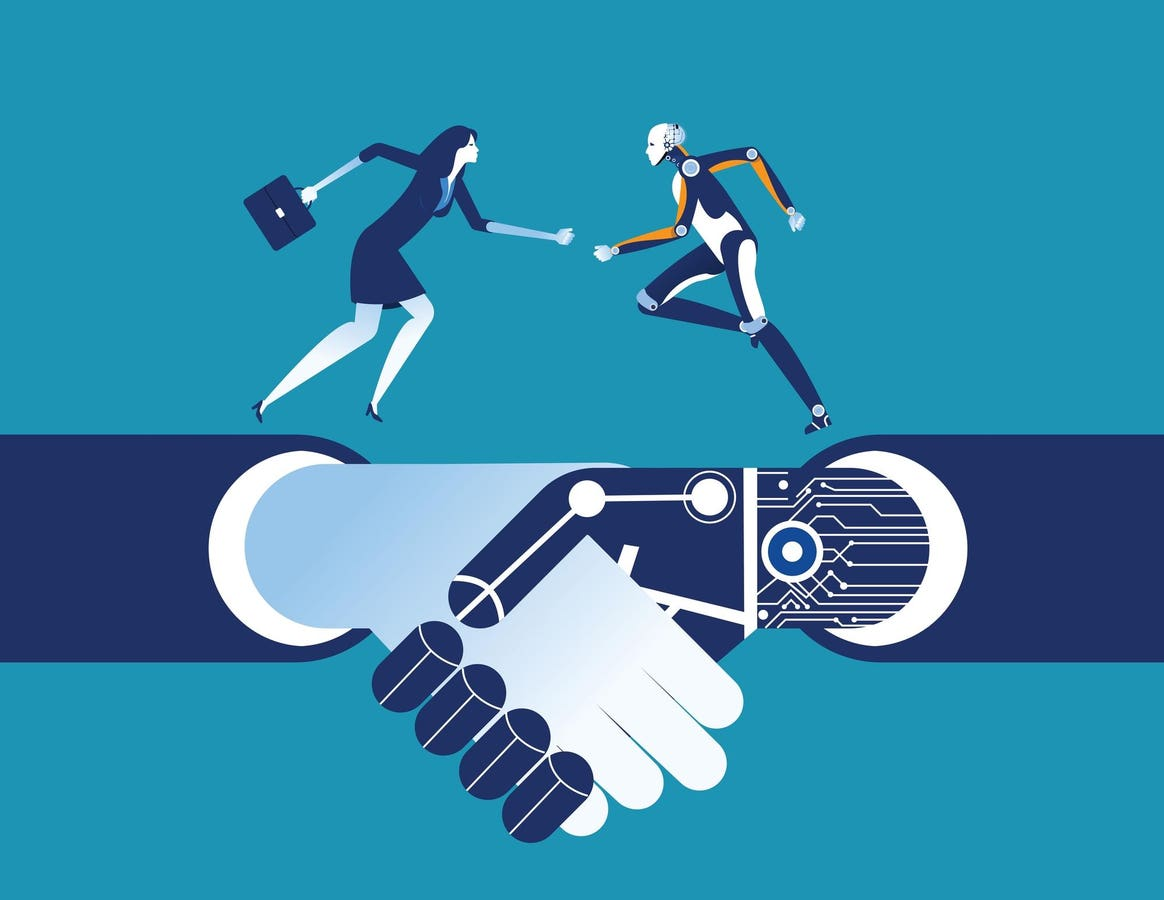
The emergence of AI as an intermediary is reshaping both personal and professional landscapes. While it offers convenience and efficiency, it also raises questions about authenticity and trust in human interactions. As AI continues to infiltrate various aspects of life, from dating to workplace communications, society must navigate the balance between leveraging these technologies and maintaining genuine human connections. The challenge lies in ensuring that while we embrace AI’s capabilities, we remain vigilant against the potential downsides, particularly in terms of privacy and security.