Understanding the Debate on AI Monetization
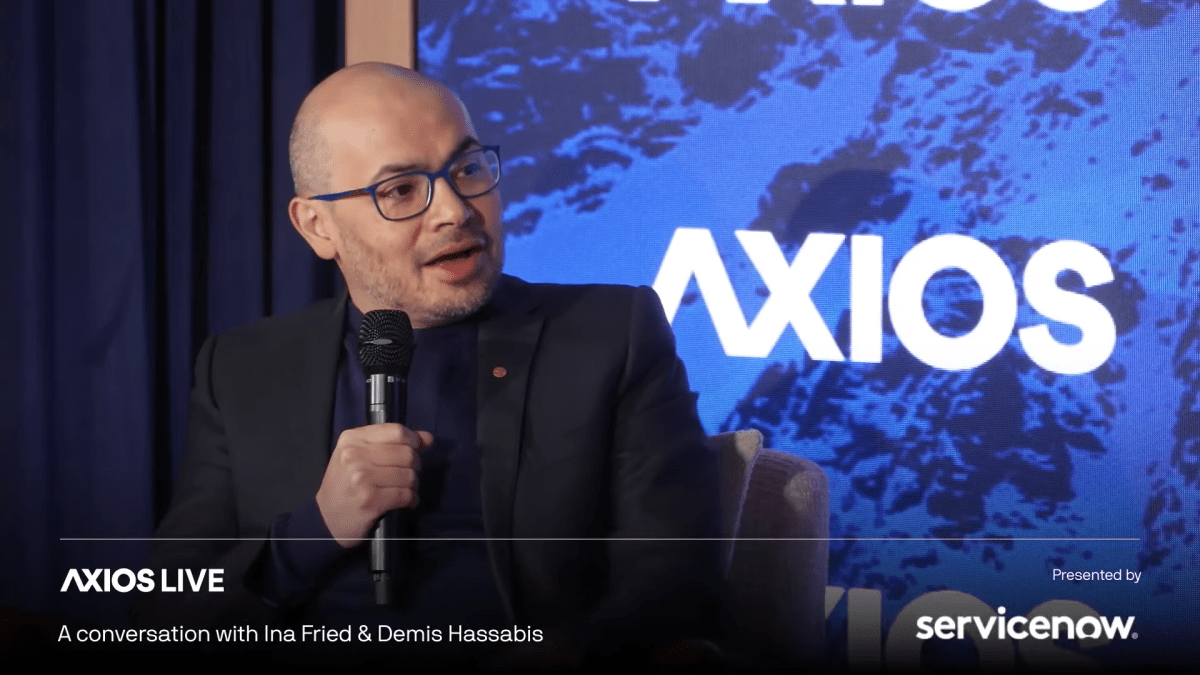
Demis Hassabis, CEO of Google DeepMind, expressed surprise at OpenAI’s decision to introduce ads in its AI chatbot. In a recent interview, he discussed the implications of this move, particularly regarding user trust and the chatbot’s role as an assistant. Hassabis emphasized that Google is taking a more cautious approach, carefully evaluating the potential impact of ads on user experience.
Key Highlights
- Hassabis noted that OpenAI’s decision may have been influenced by rising infrastructure costs and the need for revenue.
- He highlighted the difference between chatbots and search engines, stressing that ads in chatbots could undermine their primary function as helpful assistants.
- The backlash from users regarding intrusive app suggestions in OpenAI’s chatbot indicates a sensitivity to ads that disrupt the user experience.
- Google is currently not planning to implement ads in its AI chatbot but is monitoring user reactions to OpenAI’s approach.
The Bigger Picture
The introduction of ads in AI chatbots raises significant questions about user experience and trust. As AI becomes more integrated into daily life, maintaining a balance between monetization and user satisfaction is crucial. Hassabis’s cautious stance reflects a broader concern within the tech community about how advertising can affect the perception and effectiveness of AI assistants. The ongoing dialogue around this issue will shape the future of AI monetization strategies and user engagement.