Overview of Orbital Computing
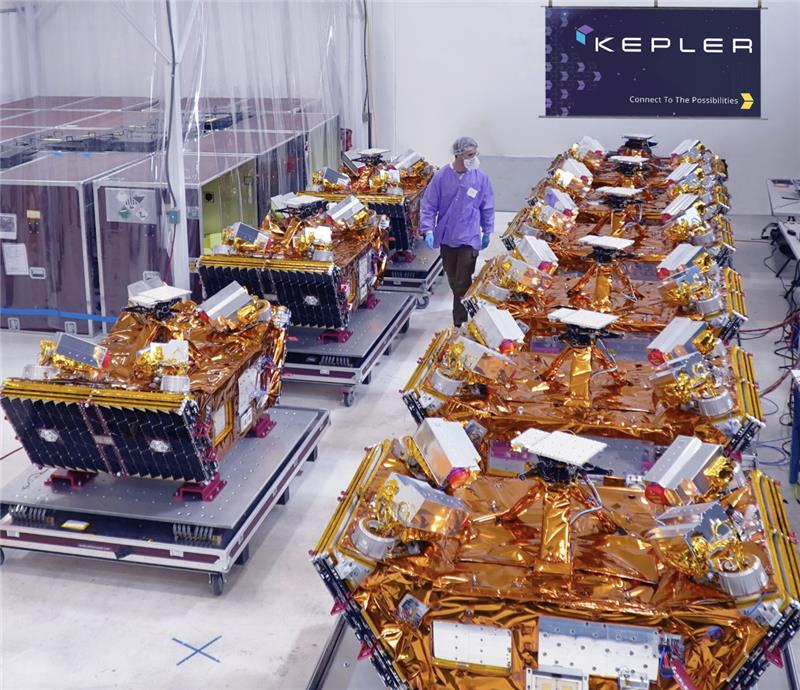
The landscape of data processing in space is evolving as companies like Kepler Communications and Sophia Space explore new possibilities. Currently, Kepler operates the largest compute cluster in orbit, featuring 40 Nvidia Orin processors across 10 satellites. This setup showcases how orbital computing can serve both private and government entities. The partnership with Sophia aims to test innovative software for space-based computing, setting the stage for future developments.
Key Details
- Kepler has 18 clients and is focused on providing infrastructure for space applications, not just data storage.
- Sophia is developing passive cooling technology for space computers to address overheating issues, crucial for future scalability.
- The partnership will involve testing Sophia’s operating system on Kepler’s satellites, marking a significant first for orbital data processing.
- The U.S. military is interested in these developments, particularly for advanced missile defense systems that rely on satellite data.
Significance of the Shift
This shift towards orbital computing presents a unique opportunity for innovation in data processing. As terrestrial data center construction faces restrictions, space-based alternatives become increasingly appealing. The potential for faster data processing and improved responsiveness in orbit could revolutionize how industries operate. With advancements in technology and partnerships, the future of data centers in space looks promising, paving the way for a new era of computing.