Understanding the Phenomenon
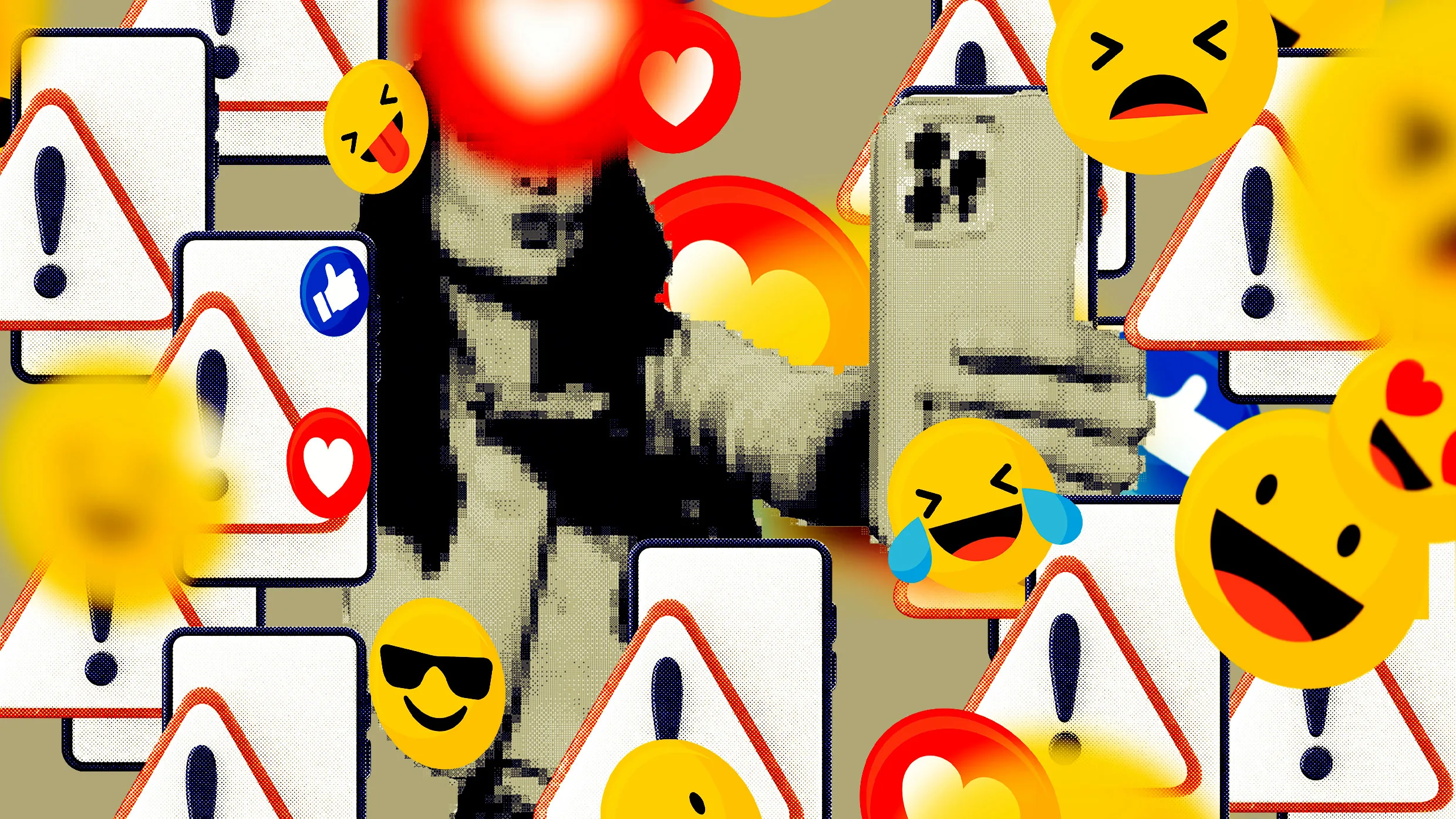
A recent revelation about a fake influencer named Emily Hart highlights the growing issue of AI-generated personas on social media. This case illustrates how a 22-year-old male medical student in India successfully created a convincing female influencer, amassing thousands of followers and generating significant income through content creation. The story raises critical questions about the authenticity of online identities and the role of AI in facilitating deception.
Key Insights
- Emily Hart’s creator made thousands of dollars monthly from softcore content.
- The case is not isolated; many similar AI-generated influencers exist online.
- Social media platforms have policies requiring disclosure of AI content.
- Enforcement of these policies is challenging due to the sophistication of AI-generated images.
The Bigger Picture
The emergence of AI influencers like Emily Hart signals a shift in how content is created and consumed. As technology advances, it becomes easier for individuals to fabricate identities and manipulate online engagement. This situation poses serious risks for users trying to navigate social media, as distinguishing real from fake becomes increasingly difficult. The implications extend beyond entertainment; they touch on trust in media, political discourse, and the integrity of information. Addressing these challenges will require a concerted effort from social media platforms, regulators, and users alike to ensure a safer online environment.