
Understanding the Challenge
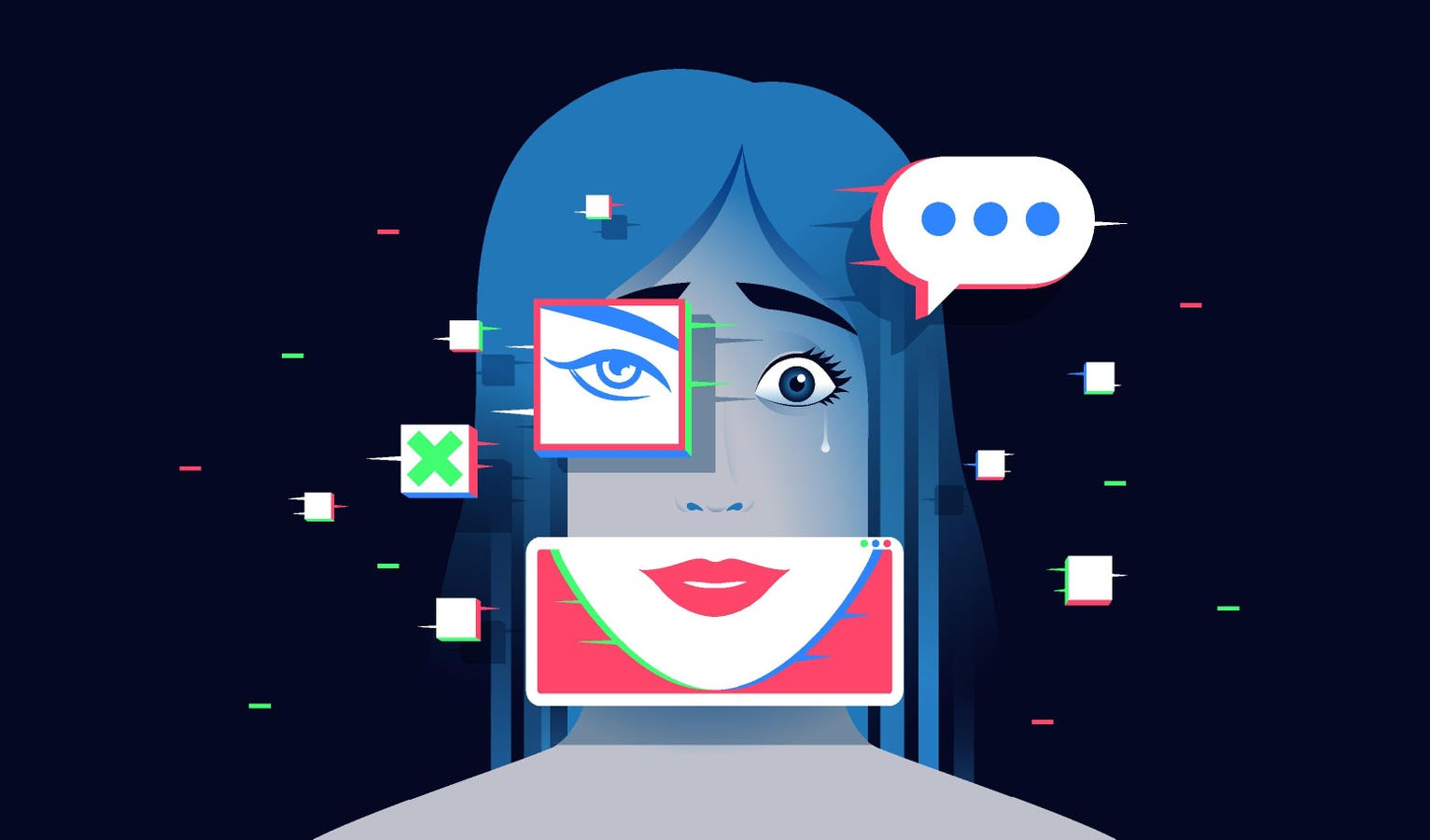
Generative AI is reshaping how images, voices, and likenesses are used, leading to serious concerns about ownership and consent. The technology allows for easy imitation of celebrities and public figures, resulting in unauthorized endorsements and fraudulent activities. This issue is escalating beyond personal harm, becoming a significant business risk. Scammers are exploiting deepfake technology to create fake promotions, which can damage brands and mislead consumers. Recent incidents have shown that even high-profile individuals are not immune, as their likenesses are used without permission to promote scams.
Key Points to Note
- Deepfakes are shifting from personal misuse to commercial threats, impacting businesses and reputations.
- Celebrities like Taylor Swift have taken legal steps to protect their images and voices from unauthorized use.
- Laws are evolving to address these challenges, with new regulations in the U.S. and Italy targeting deepfake misuse.
- Platforms face pressure to manage the spread of fake media, raising questions about their liability and responsibility.
The Bigger Picture
The implications of deepfakes extend into various sectors, including entertainment, politics, and personal privacy. As generative AI technology advances, the need for robust legal frameworks and protective measures is urgent. The potential for misuse can undermine trust in digital content and harm individuals and brands alike. Establishing systems for authentication and consent will be crucial in mitigating these risks. The evolving landscape of AI usage calls for new strategies in rights management, insurance, and digital legacy planning, as society grapples with the balance between innovation and protection.





