Understanding the Trend
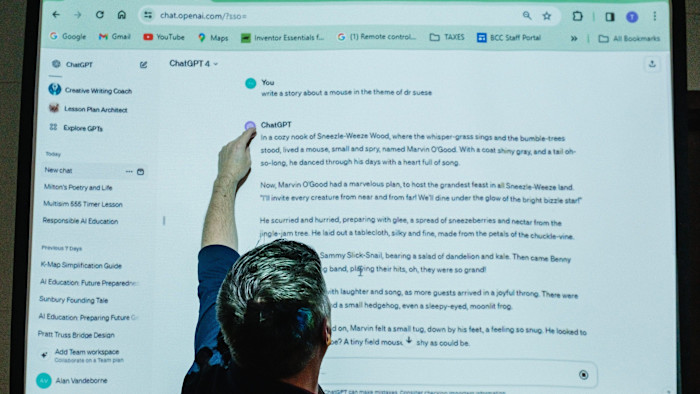
The growing trend of individuals claiming full credit for work generated by AI, particularly large language models, raises ethical questions. Many users present AI outputs as their own intellectual achievements, often without acknowledging the AI’s contribution. This behavior can stem from a genuine belief that they deserve recognition for simply prompting the AI, as well as from a desire to appear more competent. New research highlights how this misattribution of credit is becoming increasingly common, leading to a false sense of intellectual entitlement among users.
Key Insights
- Many people believe they deserve credit for AI-generated answers, even with minimal input.
- The ethical implications are significant, especially in educational settings where students may submit AI-generated work as their own.
- The distinction between collaborative effort and outright credit-taking is often blurred, complicating ethical considerations.
- Research indicates that users may not fully recognize the extent of AI’s contribution, leading to a skewed perception of their own capabilities.
Implications for Society
This trend of taking undue credit for AI outputs can have far-reaching consequences. It risks fostering a culture of intellectual dishonesty and undermines genuine learning and problem-solving skills. As AI becomes more integrated into work and education, it’s essential to cultivate a sense of accountability and transparency regarding AI’s role. Recognizing the contributions of AI not only promotes ethical behavior but also encourages a more accurate understanding of human and machine collaboration. This awareness is crucial as society navigates the evolving landscape of AI technology.