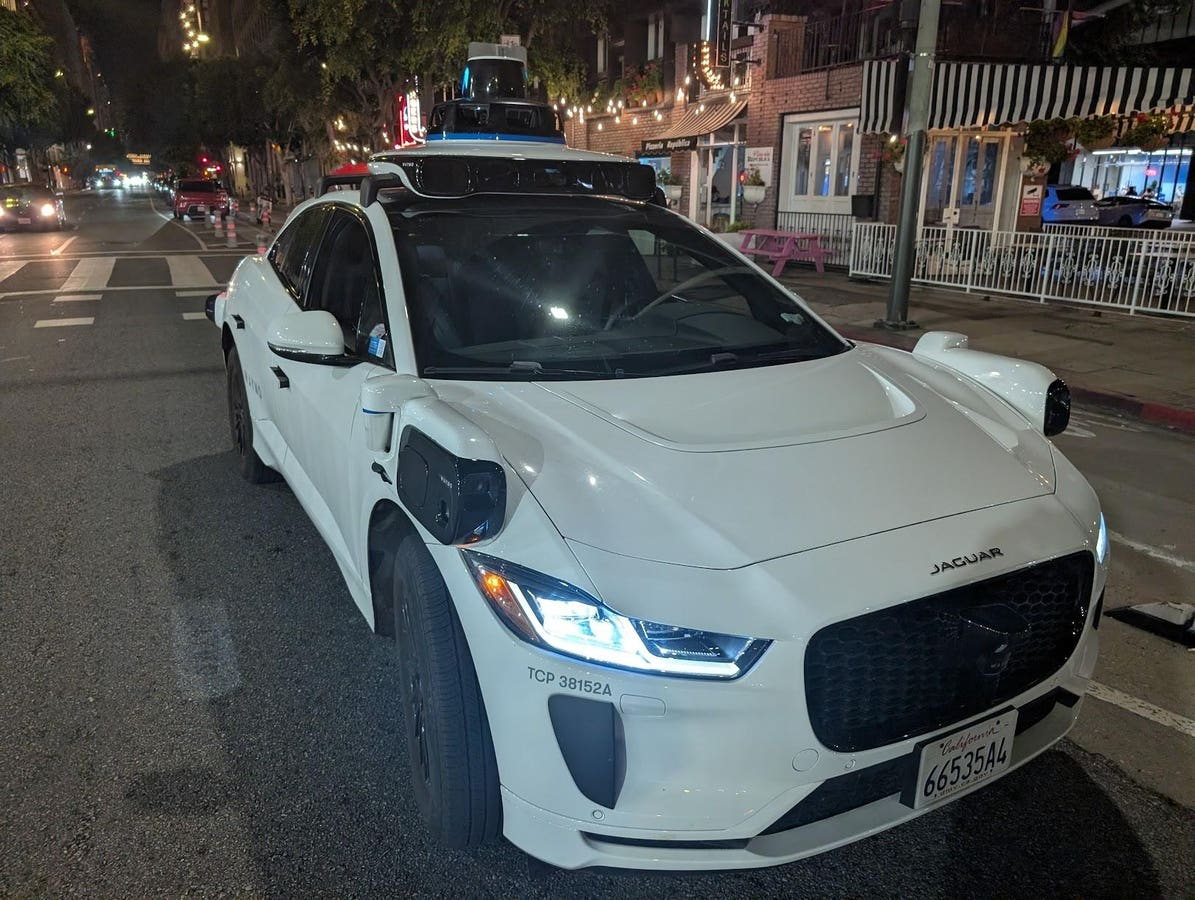
Understanding the Challenge
California’s recent updates to self-driving car regulations aim to address a gap in how traffic violations are handled for autonomous vehicles. Previously, there was confusion about how to ticket a robotaxi for breaking traffic rules, which left police departments frustrated. The new rules clarify that robotaxis can be cited, but this approach may not be the best solution. Unlike human drivers, robots do not fear fines, but the companies behind them do fear losing permits or public trust. Violations by autonomous vehicles are typically unintentional, and companies strive to correct mistakes quickly.
Key Points to Consider
- Many traffic violations, like temporary lane blocking, are common among human drivers.
- The law states that a vehicle is parked if no driver is inside, but this does not apply to robotaxis, which can move on command.
- Cities have issued tickets to self-driving cars that park in restricted areas, despite their ability to vacate before street cleaning occurs.
- There is a need for laws to evolve and accommodate the unique capabilities of autonomous vehicles, rather than applying outdated human-centric regulations.
Why This Matters
The legal framework surrounding self-driving cars must adapt to ensure safety and efficiency on the roads. As technology progresses, the rules governing traffic should also change to reflect the capabilities of these vehicles. A more flexible legal approach can prevent unfair penalties for autonomous systems that operate safely. This evolution is crucial for fostering public trust in self-driving technology and ensuring smooth integration into everyday transportation.