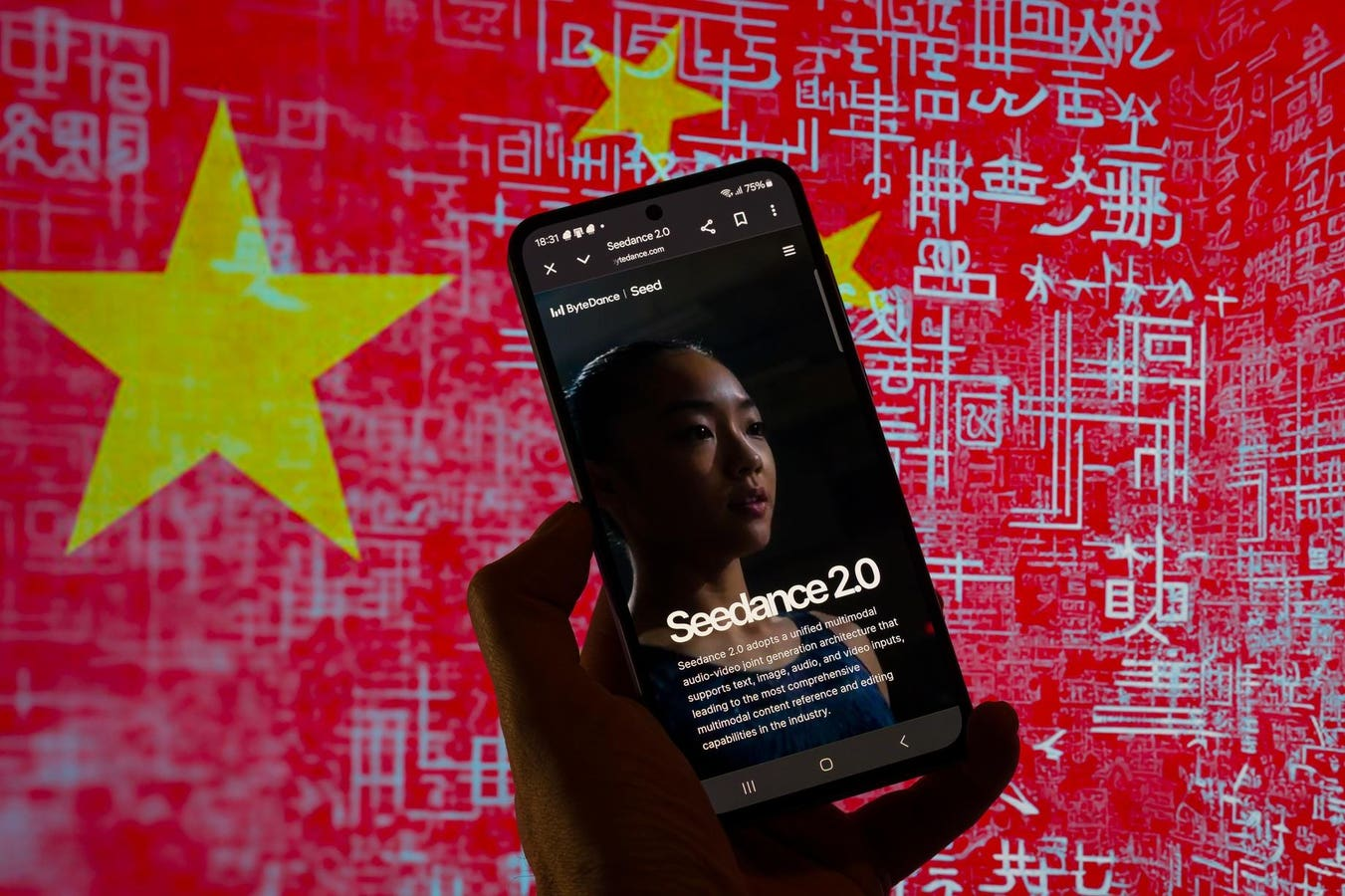
Understanding the Landscape of AI Video Generation
The rise of AI video generation has shifted dramatically in recent years, particularly with the emergence of Chinese companies like ByteDance and Kuaishou. These firms have developed advanced video AI models that outperform their Western counterparts. This transformation is fueled by a combination of factors, including access to vast amounts of training data, vertical integration of services, and strong government support. These Chinese companies are not only creating AI technology but also using it to produce content at an unprecedented scale.
Key Points to Note
- Chinese video AI labs have access to a massive volume of diverse training data, allowing them to build superior models.
- Companies like ByteDance and Kuaishou integrate their AI directly into platforms, enabling immediate deployment and monetization of content.
- Micro-dramas, short AI-generated videos, have become immensely popular, generating significant revenue and attracting millions of viewers.
- Government support plays a crucial role, with local authorities providing funding and backing for AI initiatives in the entertainment sector.
- Open-source strategies, like those employed by Alibaba, encourage wider adoption of their models and challenge Western competitors.
The Bigger Picture of AI Video Production
The developments in Chinese video AI signal a major shift in the global content creation landscape. Unlike Western firms that operate under stringent regulations and risk-averse practices, Chinese companies leverage their unique market conditions to innovate rapidly. This shift not only enhances the quality and accessibility of video content but also reshapes the economic models of digital entertainment. As AI-generated content continues to grow, it will likely redefine how audiences consume media and how creators approach production, leading to a more dynamic and competitive global market.