
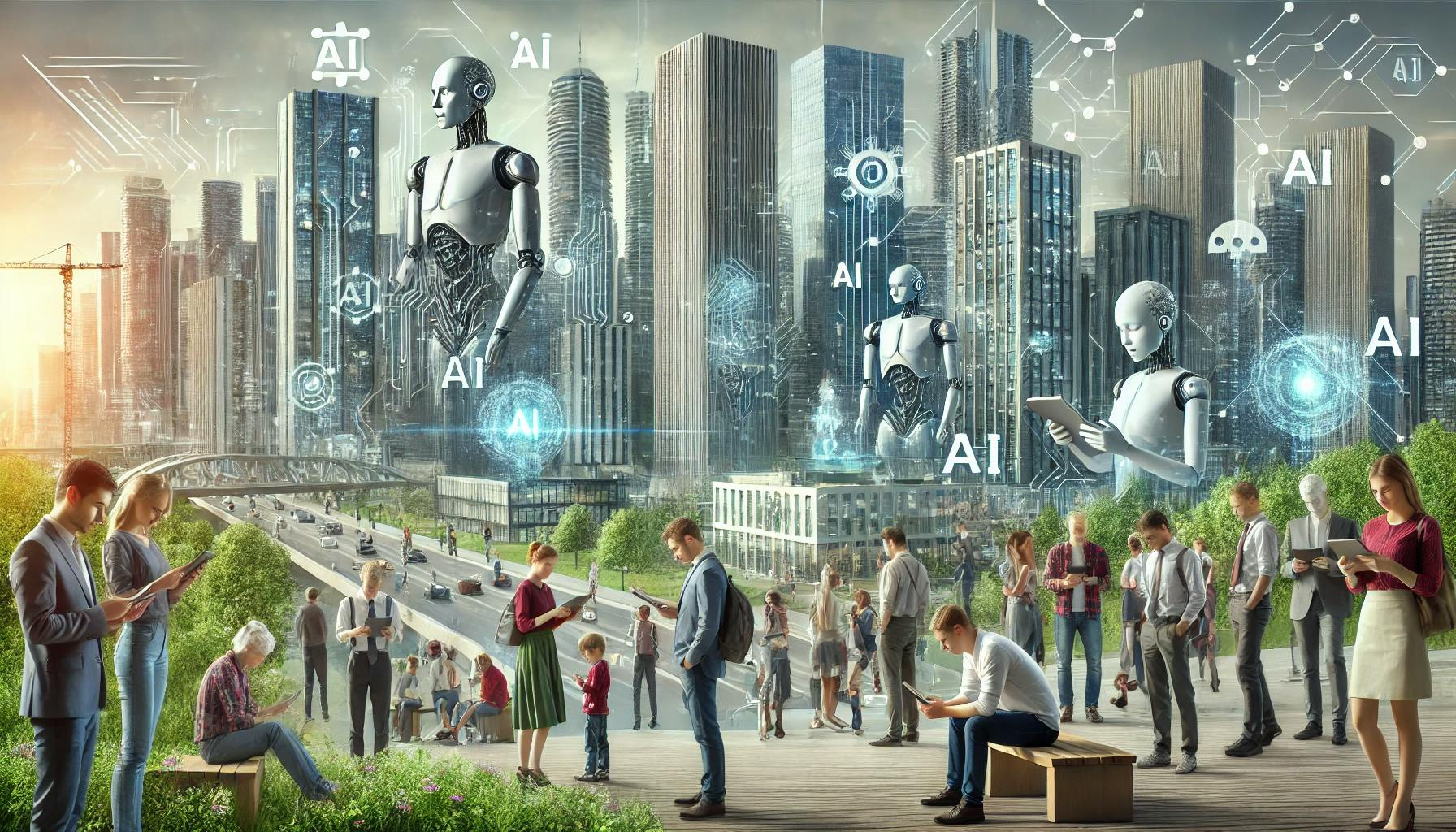
The AI Paradox: Advancing Technology, Retreating Human Skills
Artificial Intelligence’s rapid progress has captivated the world, but its perceived capabilities may be overstated. Current AI models, including advanced language models, might be better described as “Average Intelligence” rather than true artificial intelligence. This perception shift stems not from AI’s extraordinary rise, but from a concerning decline in human critical thinking skills. As a result, AI appears more intelligent when compared to increasingly average human intellect.
Key Points on AI Development and Human Skills
- Developing Artificial General Intelligence (AGI) requires major advancements in context understanding, consciousness, advanced reasoning, and emotional intelligence.
- Experts’ predictions for AGI development range from 5-20 years to several decades, with historical over-optimism leading to more conservative recent estimates.
- Functional illiteracy serves as a metric for declining critical thinking skills, with significant proportions of adults in developed countries struggling with basic literacy tasks.
- The global AI landscape shows the U.S. leading in research and investment, followed by China, the UK, Israel, and Canada.
The Imperative for Human Skill Development
The intersection of AI advancements and declining human critical thinking skills presents significant societal challenges. To address functional illiteracy and vulnerability to AI-driven job displacement, a multifaceted approach is essential. This includes educational reform, bridging the digital divide, public-private collaborations for skill development, community programs, and promoting critical thinking. By tackling these issues, society can better prepare for the challenges and opportunities presented by AI, ensuring individuals can adapt and contribute meaningfully in an increasingly digital world.





