Overview of the Situation
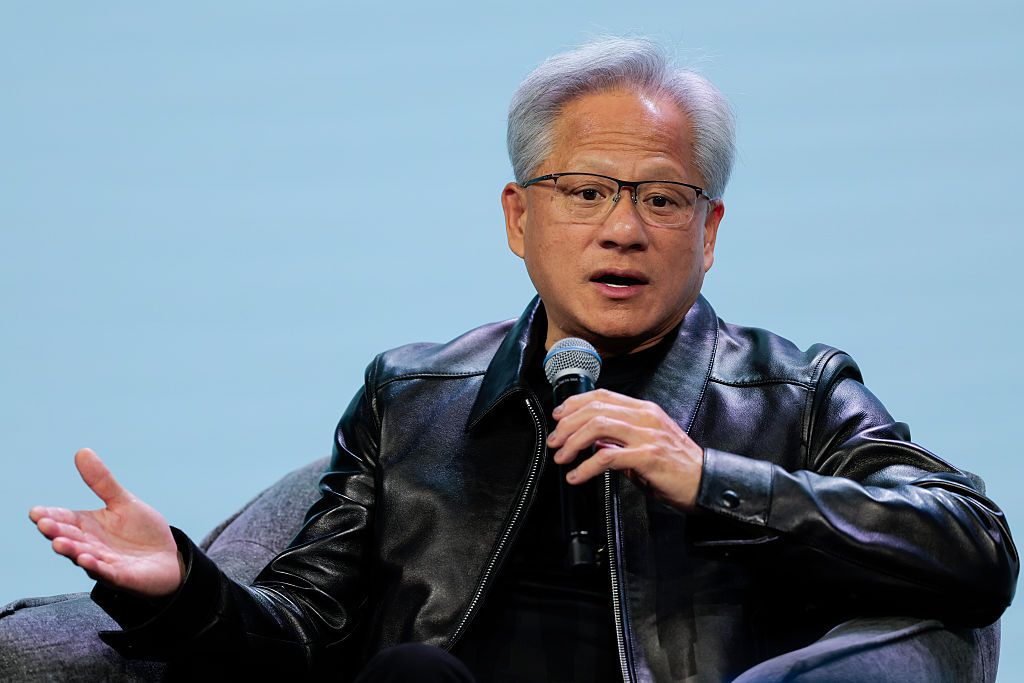
Recent investigations reveal that leading Chinese AI models were likely trained using Nvidia’s Blackwell GPUs, despite U.S. export restrictions. This situation raises concerns about the effectiveness of export controls aimed at maintaining American dominance in AI technology. Nvidia’s CEO, Jensen Huang, has recently left the company amid allegations of personal and corporate misconduct related to chip smuggling into China. His departure has sparked discussions about Nvidia’s liability in the ongoing trade tensions.
Key Details
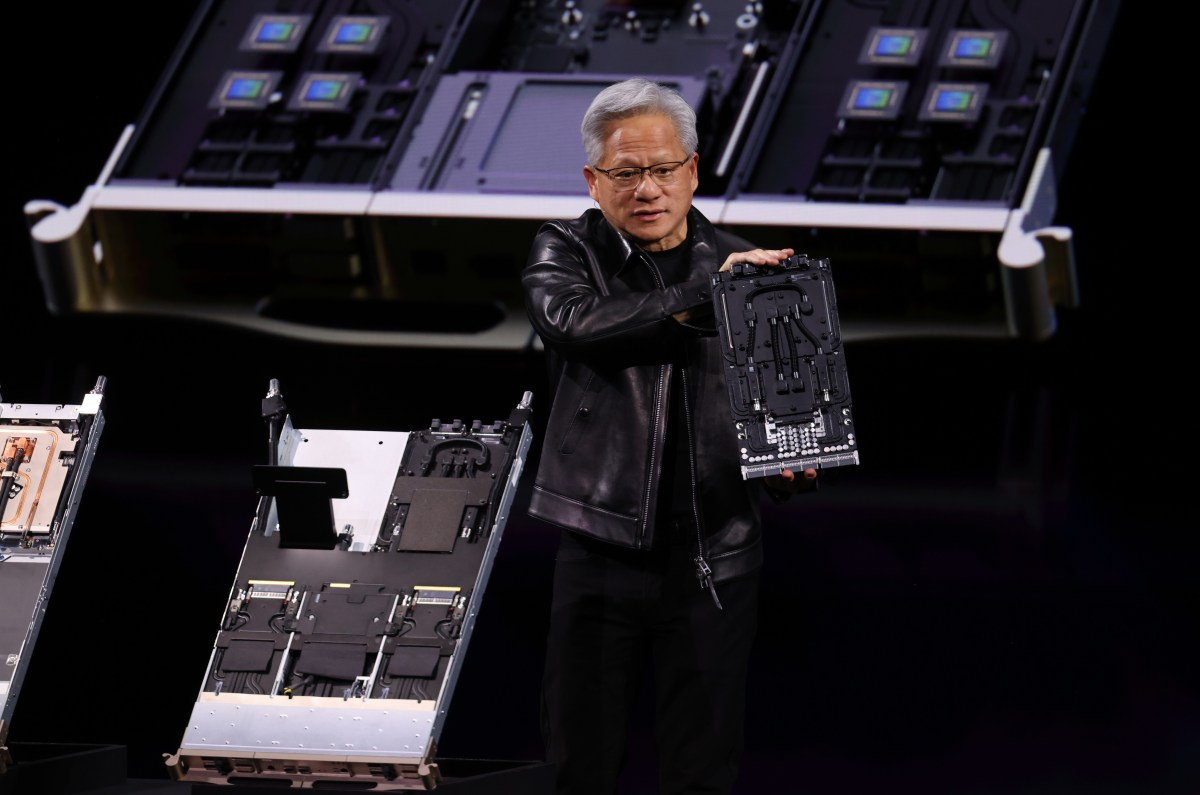
- Evidence suggests that advanced AI models from companies like DeepSeek and Moonshot AI show traces of training on banned Nvidia chips.
- U.S. export controls aim to prevent China from accessing powerful AI technology, but loopholes exist, allowing chips to reach China through third countries like Malaysia.
- Investigations into Megaspeed, a company linked to Huang, indicate a history of smuggling Nvidia chips into China.
- Analysts express concern that if China strengthens its domestic chip industry, it could diminish Nvidia’s market in the region significantly.
Importance of the Issue
The implications of this situation are profound. If smuggling is confirmed, Nvidia could face serious legal challenges and damage to its reputation. Furthermore, the ongoing trade tensions highlight vulnerabilities in U.S. technology export policies. As China invests heavily in its chip manufacturing capabilities, the balance of power in AI technology may shift. This could lead to a significant impact on global tech markets and the future of AI development, making it crucial for policymakers to reassess current regulations and ensure they are effective in safeguarding U.S. technological leadership.