Overview of the Situation
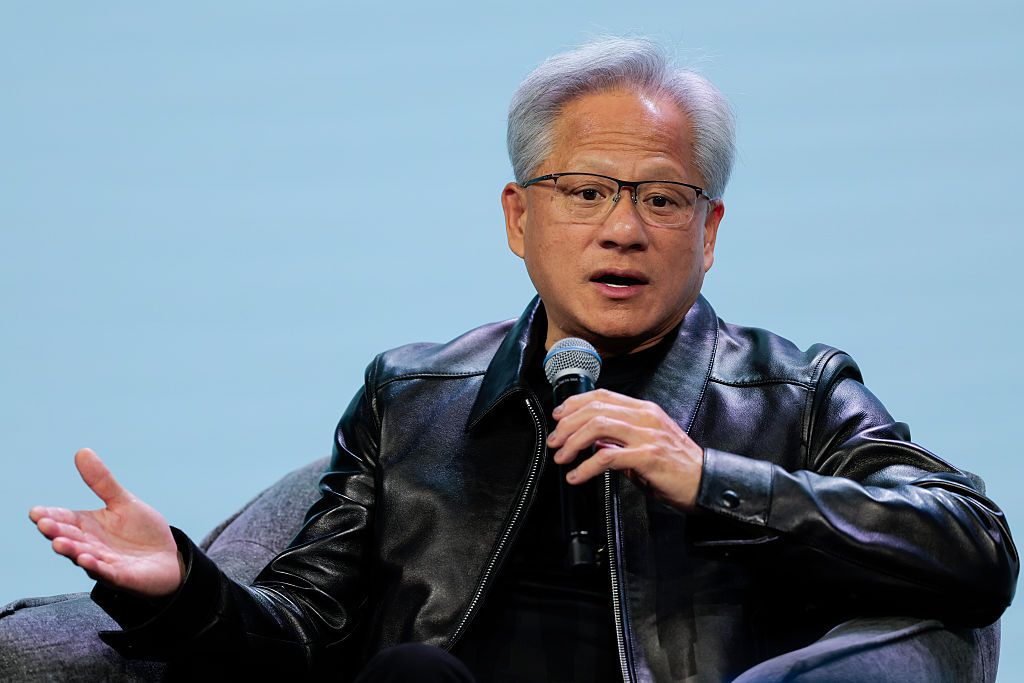
Jensen Huang’s resignation from Nvidia has raised concerns in Israel, a key hub for the company. Huang’s leadership significantly impacted both Nvidia and Israel’s economy. His departure leaves many wondering about the future of Nvidia’s commitment to its Israeli operations, especially given the vital role of its GPUs in artificial intelligence (AI).
Key Details
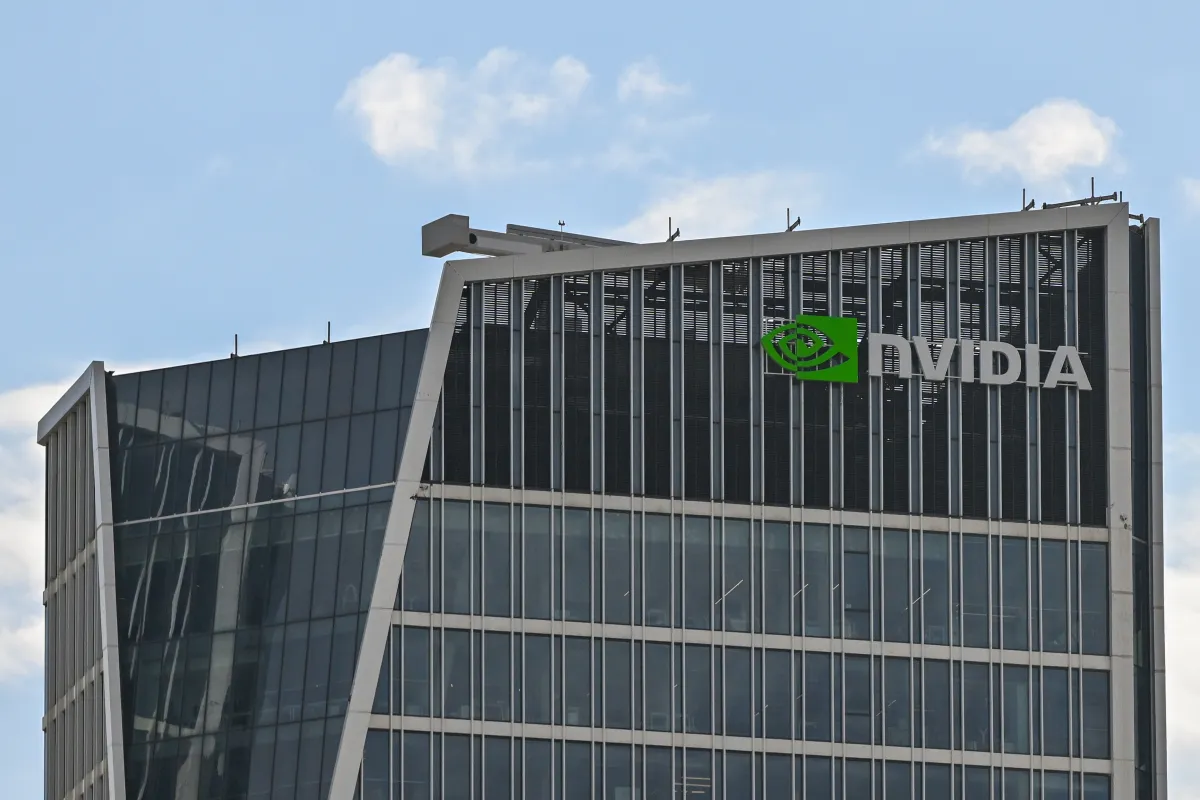
- Nvidia has a strong presence in Israel, employing around 6,000 locals and housing its largest R&D facility outside the U.S.
- Huang’s acquisition of Israeli chipmaker Mellanox in 2019 solidified Nvidia’s ties to the country.
- Interim CEO Colette Kress has emphasized the importance of Israel in her daily operations, raising hopes for continued investment.
- Potential successors include notable figures like Johny Srouji from Apple and Nvidia’s Michael Kagan, but the future remains uncertain.
Significance of the Change
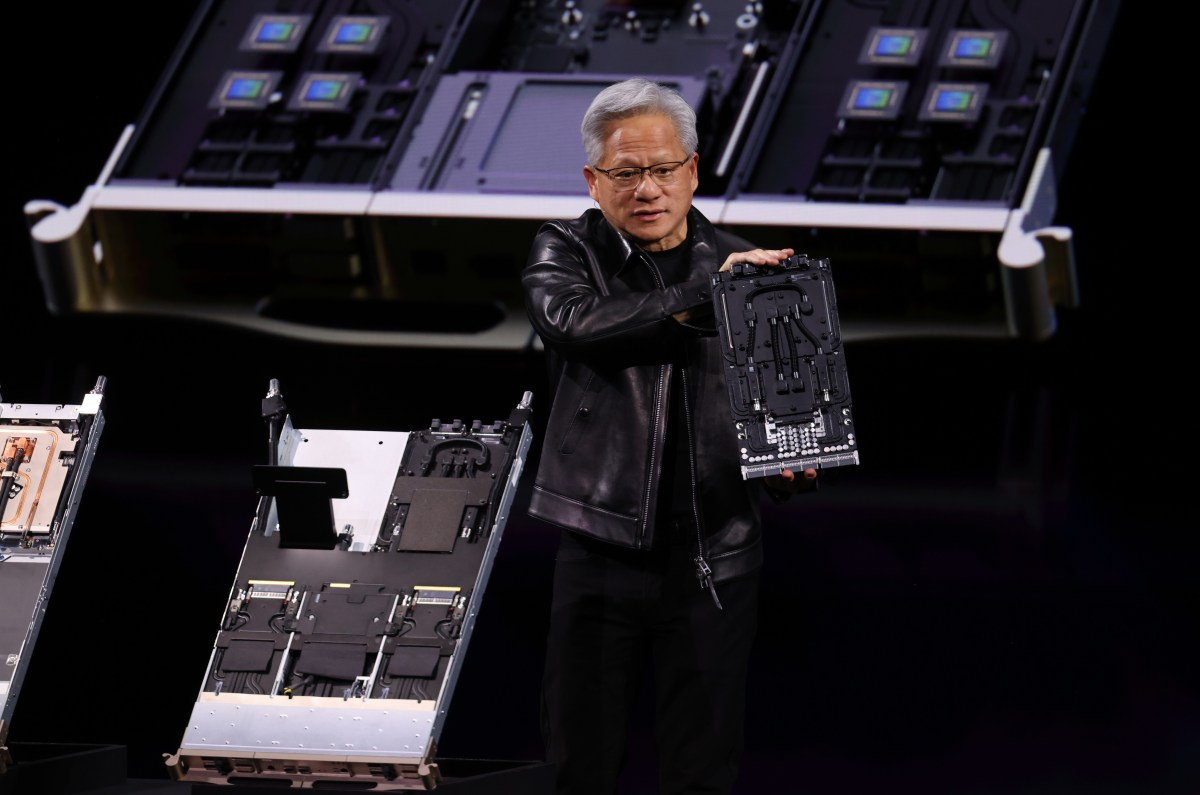
Huang’s exit may not dismantle Nvidia’s technology or ecosystem, but it could open doors for competitors. Investors believe that while Nvidia will maintain demand for its products, slower decision-making could benefit rivals in the AI space. As global companies increasingly adopt AI technologies, there is a growing interest in alternative chip and software solutions. This leadership change presents an opportunity for challengers to innovate and potentially reshape the market landscape.